Physical Address
304 North Cardinal St.
Dorchester Center, MA 02124
Physical Address
304 North Cardinal St.
Dorchester Center, MA 02124
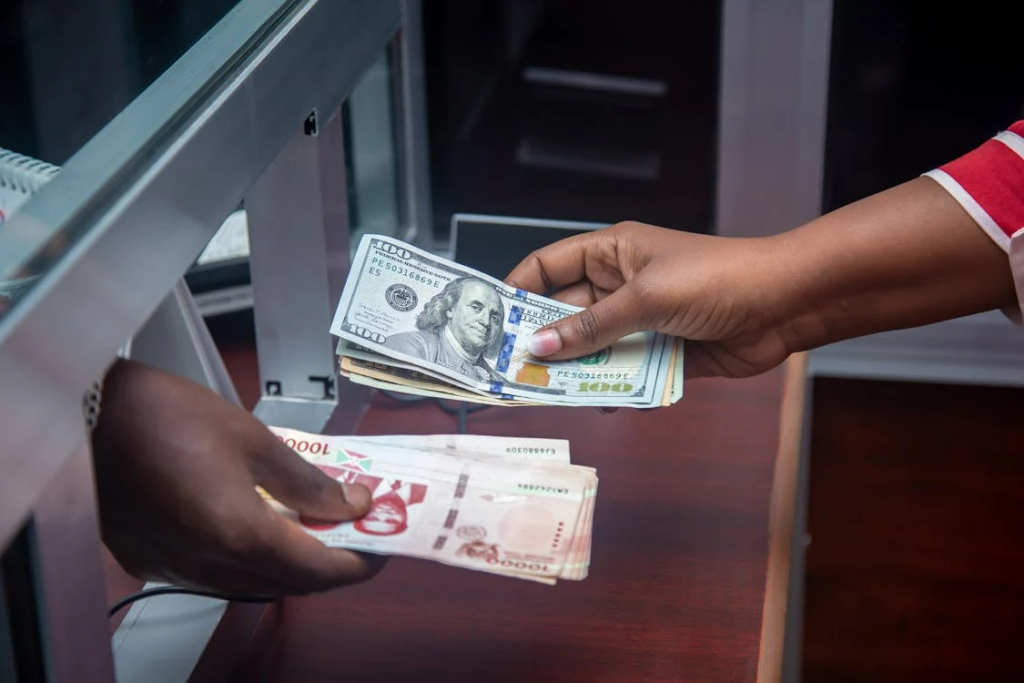
One cannot dispute the convenience offered by credit cards. Still, being aware of the specific details included in the credit card contract may save you hundreds of dollars. While many Australians actively use their cards every day, few of them realise that not all types of payments are equally perceived by the banks that provide the credit service.
Indeed, when one uses their credit card to buy goods or make money transactions with the help of their debit card, their banks operate according to entirely different rules and fee structures. Thus, to manage personal finances efficiently, it is necessary to learn about the difference between purchase and cash advance rates.
Purchase Rate Explained
Purchase rate refers to the type of interest applied by the bank to payments made via credit card on the purchase of goods and services. Any transaction starting from a simple purchase of morning coffee until a luxury vacation package counts toward the use of a purchase rate.
Most Australian credit cards come with a grace period concerning the purchase rate. In case one fully pays off their closing balance before its due date, there will be no interest on that transaction charged. Also, ING’s interest free period credit card, as an example, keeps you away from interest in the short term.
Factors Affecting Purchase Rates
The primary factor determining the purchase rate for an individual borrower is their credit score. People with excellent borrowing history receive premium-rate credit cards with reduced interest rates or attractive rewards programs. Other factors impacting a loan offer include current market conditions and the official cash rate determined by the Reserve Bank of Australia.
Tips on Effective Management of Purchase Rates
The most efficient method of avoiding interest on purchase rates is timely and complete monthly payments. Moreover, one who finds themselves unable to pay off the credit card balance may consider getting a balance transfer offer. Banks regularly provide their customers with offers that imply zero-percent interest on transferred balances for some period of time.
Cash Advance Explained
When a client uses their credit card to withdraw money via an ATM, to transfer a sum to a checking account, or to make purchases of cash-equivalent items, this procedure is called a cash advance. As opposed to retail transactions made via credit cards, cash advance does not imply any interest-free grace period. Once a client receives an amount of money in the form of a cash advance, the bank immediately starts charging interest.
True Costs of Cash Advances
It needs to be mentioned that the cash advance rate is usually higher than the regular purchase rate. In addition to the increased interest, banks also charge a fee for cash advance transactions, which either has a fixed value or is a percent of the total withdrawn sum. Given that there are no interest-free periods, even a modest sum taken as a cash advance tends to become quite costly because of compound daily interest.
Cases of Cash Advance Consideration
The only possible reason to get a cash advance from a credit card is a situation of extreme emergency when other methods of payment are not available, and all other resources have been depleted. In case one has no alternative but to receive a cash advance, it is recommended to get rid of that loan immediately because of rapidly growing interests.
Knowledge about particularities of how banks categorise payments allows making better-informed decisions concerning personal finances.


