Physical Address
304 North Cardinal St.
Dorchester Center, MA 02124
Physical Address
304 North Cardinal St.
Dorchester Center, MA 02124
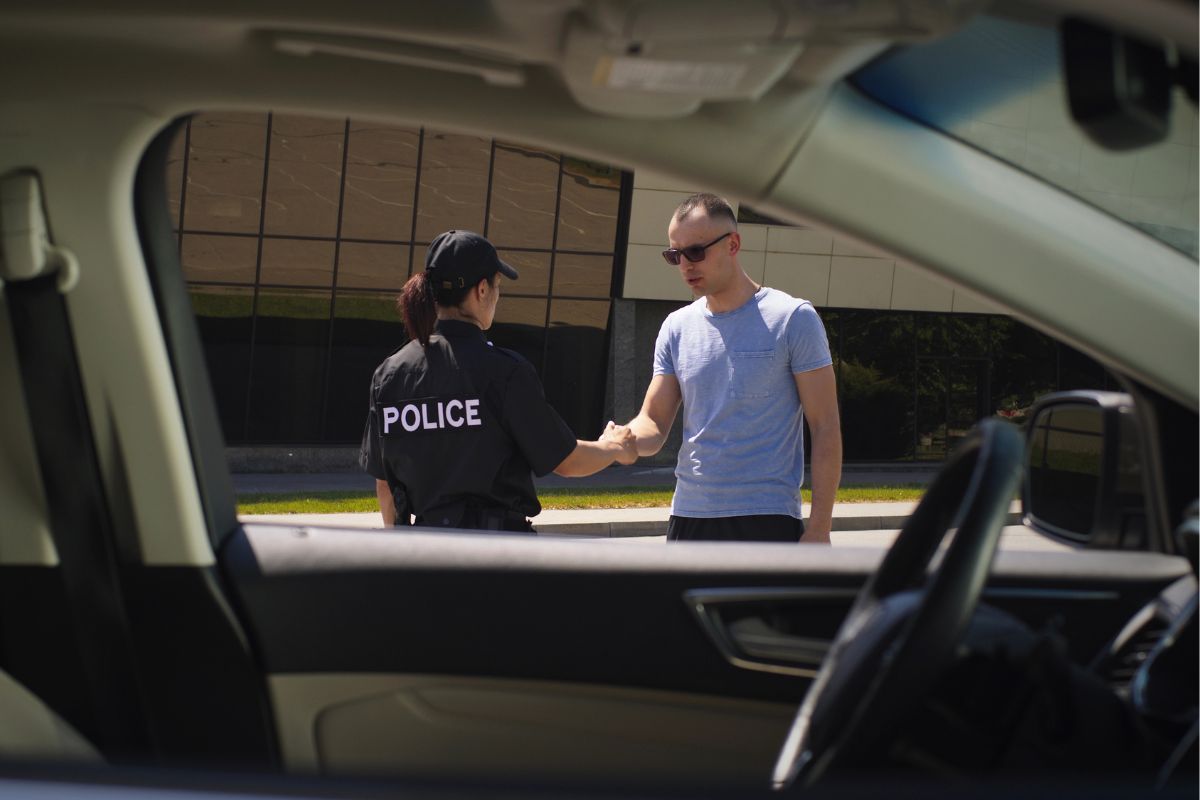
Being pulled over by police is stressful enough, but when you suspect it’s related to impaired driving, knowing your rights becomes crucial. Many Canadians unknowingly waive their constitutional protections during DUI stops simply because they don’t understand what police can and cannot legally do. This guide explains your Charter rights and the boundaries of police authority during impaired driving investigations.
The Canadian Charter of Rights and Freedoms provides critical protections during police interactions, and these rights don’t disappear when you’re suspected of impaired driving.
The moment police arrest or detain you, which includes making a breath demand, you have the constitutional right to speak with a lawyer without delay. Police must:
However, this right has practical limits. If you’re given a roadside screening demand (the portable breath test), you must comply immediately before speaking with counsel. The right to a lawyer applies after you provide the roadside sample, or when police make a formal demand for breath samples at the station.
Police cannot randomly stop vehicles without lawful justification. They need reasonable grounds to pull you over, such as:
A stop based solely on racial profiling or without any legal justification violates your Charter rights and can lead to evidence being excluded.
Understanding police powers helps you recognize when officers are acting within their authority.
Since December 2018, police in Canada have had expanded powers under Section 320.27 of the Criminal Code. An officer can demand a roadside breath sample even without reasonable suspicion of alcohol consumption. This “mandatory alcohol screening” applies to any lawful traffic stop.
You must comply with this demand immediately. Refusal carries the same criminal penalties as impaired driving itself, a minimum fine of $2,000 for a first offence.
If police have reasonable suspicion you’ve consumed alcohol (smell of alcohol, red eyes, slurred speech), they can demand you provide a breath sample into an approved screening device at the roadside.
If you fail or refuse the roadside test, police can demand you accompany them to the station to provide breath samples into an approved instrument (the more sophisticated breathalyzer). This demand must be made “as soon as practicable”, typically within two hours of driving.
Police can request you perform physical coordination tests if they suspect drug impairment. While technically voluntary, refusal creates additional suspicion and may lead to arrest.
Police authority has limits, and violations can result in charges being dismissed.
Beyond providing your licence, registration, and insurance, you have the right to remain silent. Police cannot compel you to answer questions like:
Politely decline: “I’m exercising my right to remain silent.”
Unless police have reasonable grounds to believe your vehicle contains evidence of an offence, they cannot search it without your consent or a warrant. Never consent to a search.
Once at the station, police must provide you with a telephone and privacy to speak with a lawyer. Delays beyond what’s reasonably necessary violate your Section 10(b) rights.
Breath samples must be taken “as soon as practicable.” Delays beyond two hours require the Crown to explain why. Significant unexplained delays can invalidate the evidence.
Charter violations don’t automatically mean your case gets dismissed, but they can lead to exclusion of evidence under Section 24(2) of the Charter. Courts consider:
Serious violations, like denying you access to counsel or conducting an illegal search, frequently result in evidence exclusion, which often leads to charges being withdrawn or dismissed.
Your Charter rights remain in force during DUI investigations, but they’re nuanced. Police have significant powers to investigate impaired driving, but those powers have constitutional limits. Understanding where your rights end and police authority begins can mean the difference between a conviction and a successful defence.
If you’ve been charged with impaired driving, the evidence against you may not be as solid as it appears. Police procedure violations, Charter breaches, and technical defences exist in many cases, but only experienced legal counsel can identify and pursue them effectively.
Disclaimer: This article provides general legal information about DUI stops and Charter rights in Canada. It does not constitute legal advice. Laws and procedures are subject to change, and every case has unique circumstances. If you’ve been charged with impaired driving, consult with a qualified criminal defence lawyer immediately.