Physical Address
304 North Cardinal St.
Dorchester Center, MA 02124
Physical Address
304 North Cardinal St.
Dorchester Center, MA 02124
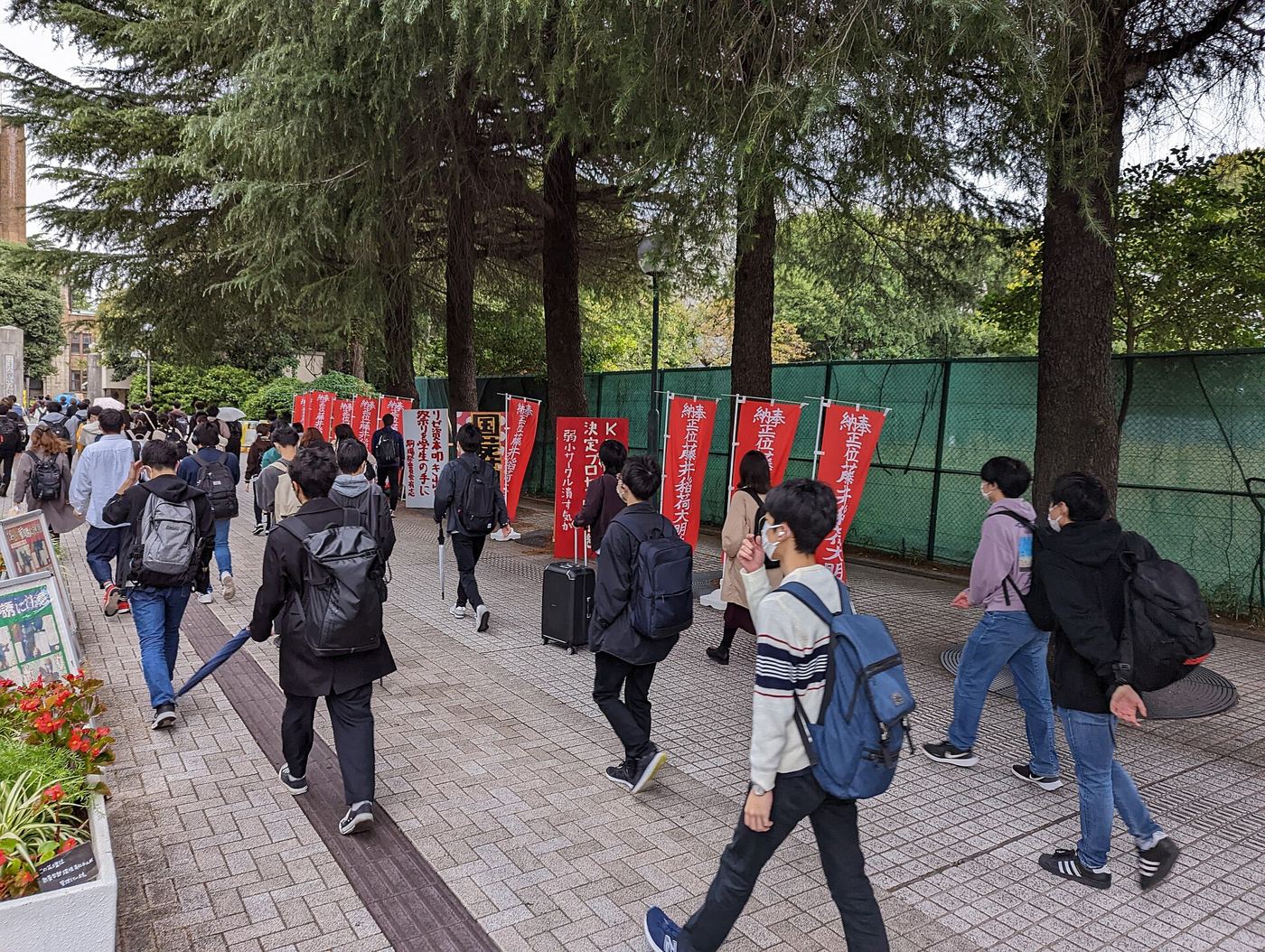
Loneliness among university students is damaging both their health and their academic success, according to a new study published in Frontiers in.
Loneliness among university students is damaging both their health and their academic success, according to a new study published in Frontiers in Psychology. Researchers led by Professor Sonia Lippke at Constructor University surveyed students about their health and wellbeing, and found that a startling 40 percent struggle with loneliness. The effects reached into both private life and study, with lonely students reporting worse health and weaker academic engagement. The findings add to a growing body of evidence that social connection is not a luxury for students but a basic condition for learning well. The survey asked students about their social lives, their health and their studies, and the pattern was clear: students who felt lonely were more likely to report poor health and to struggle academically. The researchers say the problem is often invisible, because lonely students may still attend lectures and appear to be coping while quietly withdrawing from social life.
The study also lays out concrete steps universities can take. Social interaction, the researchers argue, should be built into the structure of student life rather than left to chance, through group learning, mentoring, shared activities and spaces where newcomers can meet people easily. Support services need to reach students early, before loneliness becomes entrenched, and staff should be trained to spot the signs. Universities that treat social participation as part of their educational mission, rather than an optional extra, are likely to see healthier students and stronger results. The study also calls on universities to measure loneliness regularly, so that they can see whether their efforts are working and respond quickly when particular groups of students are struggling. Peer mentoring, where older students help newcomers settle in, is highlighted as one of the most promising approaches because it builds friendships as well as academic support. Reporting and analysis from sources such as Nature Human Behaviour track the same developments, and specialists following the research on loneliness among university students say the direction is now consistent across independent lines of evidence.
The wider context is a discipline rebuilding confidence through replication and pre-registration, and findings on the research on loneliness among university students are being reported with their effect sizes and limits attached. That honesty can make results sound smaller than the headlines of a decade ago, but the effects that survive are the ones practitioners can responsibly build on.
What happens next in research on the research on loneliness among university students is a turn toward real-world trials: longer, larger and conducted in the schools, workplaces and clinics where the findings are meant to apply. Psychologists are also studying individual differences more seriously, because average effects conceal the people for whom an approach works powerfully and those it leaves cold. Both shifts make the science slower and more useful. You can follow related developments in our coverage of psychology.
None of this will be settled by a single announcement, study or product launch. The pattern to watch is accumulation: independent confirmations, honest reporting of failures and steady improvement in the underlying numbers. Readers who follow those signals, rather than the loudest claim of the week, will understand this subject better than most of the commentary surrounding it suggests is possible.