Physical Address
304 North Cardinal St.
Dorchester Center, MA 02124
Physical Address
304 North Cardinal St.
Dorchester Center, MA 02124
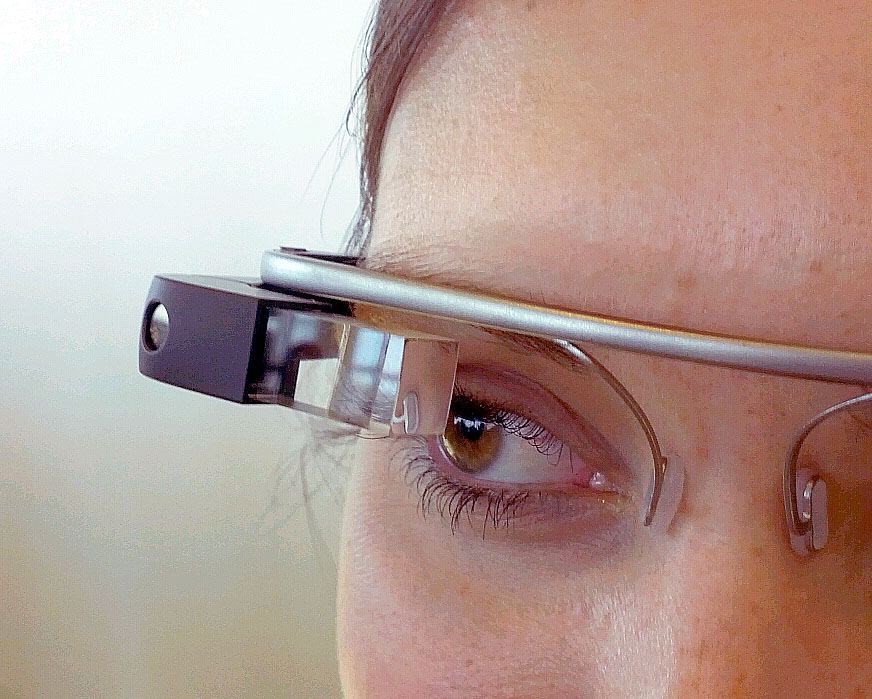
After years of consumer disappointment, smart glasses are building a durable business in the unglamorous places where hands are busy and.
After years of consumer disappointment, smart glasses are building a durable business in the unglamorous places where hands are busy and information is needed immediately. Warehouse pickers wearing lightweight displays follow highlighted routes and confirm items without stopping to scan a handheld screen, while field technicians servicing pumps, lifts and medical equipment call up diagrams, torque values and remote expert video in their line of sight. The value proposition is measured in errors avoided and minutes saved rather than in novelty. A technician halfway up a turbine or inside a plant room cannot easily balance a tablet, and a wrong part fitted means a return visit that costs far more than the headset. Employers report that guided workflows help new starters reach competence faster, because instructions arrive step by step at the moment each is needed, and experienced staff can annotate what they see for the next person on the job. Modern devices are lighter, run a full shift and integrate with the same software that manages work orders, which earlier generations conspicuously failed to do. Privacy controls matter in workplaces, with recording indicators and clear policies now standard after early resistance from staff who feared constant surveillance by headset camera.
The pattern emerging is that wearables succeed when they disappear into a job rather than demanding attention as gadgets. Battery swaps, prescription lens options and compatibility with safety helmets and gloves sound like footnotes, but operators cite them as the difference between pilots that stall and deployments that spread site by site. Data from completed jobs feeds back into training and maintenance planning, since the glasses record which steps take longest and where technicians hesitate. Vendors have largely stopped promising a general consumer revolution and now sell measurable outcomes to logistics, manufacturing and healthcare, a smaller but real market. Challenges remain: displays wash out in bright sunlight, voice control struggles in noisy plants, and information technology departments must secure another fleet of connected devices. Even so, the technology’s centre of gravity has clearly shifted from spectacle to utility. The same shift rescued other tools, from barcode scanners to rugged tablets, that became indispensable once they were boring. Smart glasses look set to follow that path, earning their place one guided repair and one accurately picked order at a time, while the consumer version waits for the lessons of the warehouse to make it lighter, cheaper and genuinely useful. Reporting and analysis from sources such as IEEE Spectrum track the same developments, and specialists following smart glasses for technicians say the direction is now consistent across independent lines of evidence.
Adoption of smart glasses for technicians follows a familiar pattern with an unfamiliar speed. Early users tolerate rough edges in exchange for advantage, mainstream users arrive when the tool disappears into existing workflows, and the market consolidates around whoever made that transition feel effortless. Vendors are racing less on raw performance now than on integration, support and trust.
The realistic forecast for smart glasses for technicians is steady integration rather than sudden replacement: embedded in products people already use, improving in increments, and regulated in proportion to its reach. The companies and institutions that plan on that basis, training staff and redesigning processes instead of chasing launches, are the ones the adoption data tends to vindicate. You can follow related developments in our coverage of technology.
It is also worth remembering how quickly the picture in this area has changed before. Positions that looked settled a few years ago have been revised as new data arrived, and the same humility is appropriate now. The strongest coverage of this subject, and the most useful advice, tends to come from sources that update their views openly when the facts move, rather than defending an earlier position long after it has stopped fitting the evidence available.