Physical Address
304 North Cardinal St.
Dorchester Center, MA 02124
Physical Address
304 North Cardinal St.
Dorchester Center, MA 02124
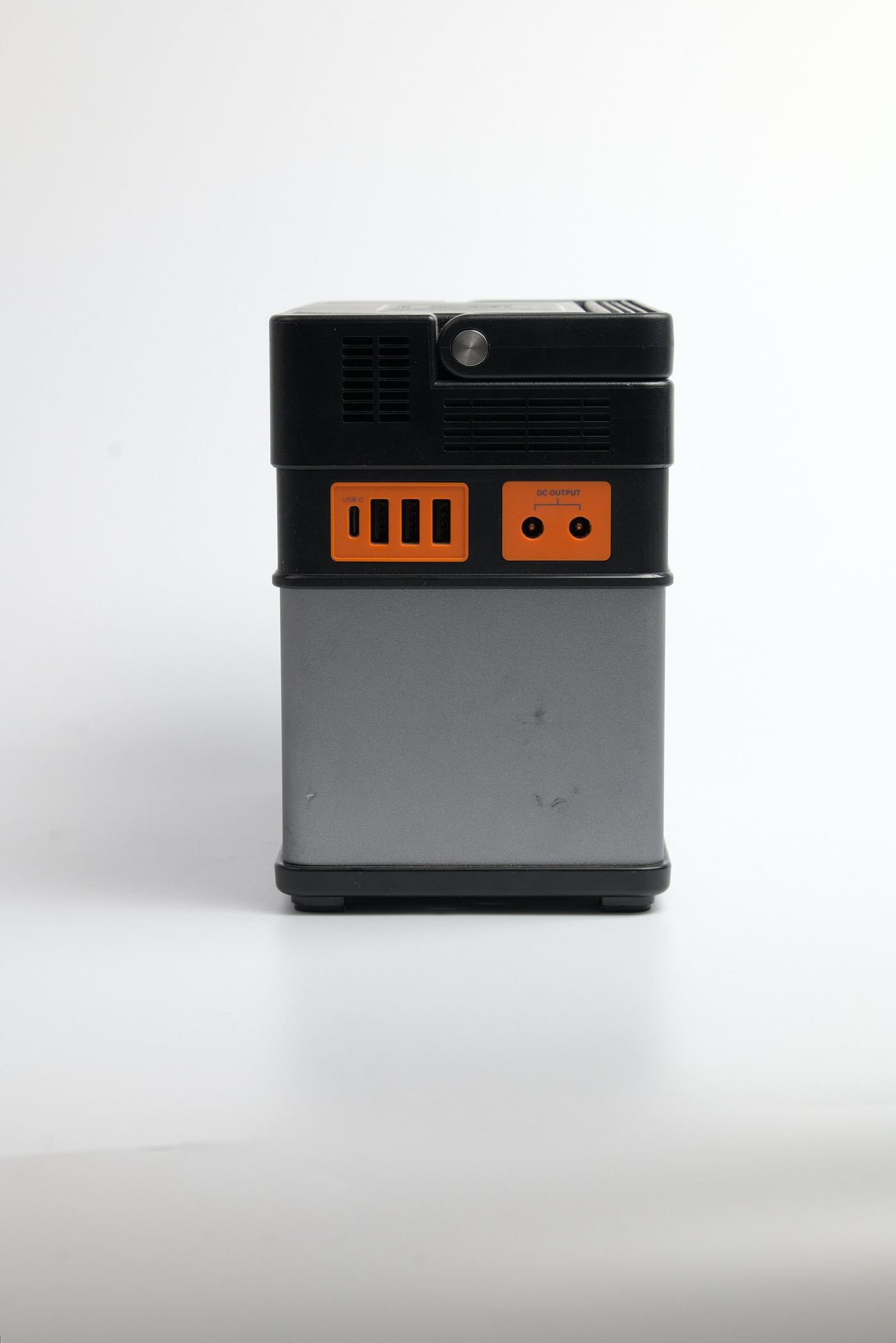
A portable power station is essentially a large rechargeable battery in a box, with sockets for charging phones, laptops, cameras and even small.
A portable power station is essentially a large rechargeable battery in a box, with sockets for charging phones, laptops, cameras and even small appliances far from any wall outlet. Campers use them to keep lights and fridges running at a remote site, photographers rely on them to recharge batteries on location, and homeowners keep one ready for power cuts, when it can run a router, a lamp and a phone charger for hours. Unlike a petrol generator, a power station is silent, produces no fumes and can be used safely indoors, which makes it popular for flats and for work on film sets where noise matters. Most models recharge from a wall socket, a car, or a folding solar panel, and a display shows exactly how much charge remains and how long it will last. The category has grown fast as batteries have become cheaper and more powerful. Some models can even jump-start a car, adding roadside rescue to their list of jobs.
Buying one comes down to capacity and output. Capacity, measured in watt-hours, decides how long the station can run a device, while the output, measured in watts, decides what it can power: a phone needs very little, a laptop more, and a kettle or a heater far more than most portable stations can supply. Larger stations can run a small fridge overnight or power tools on a building site, but they are heavy to carry and take longer to recharge. Solar charging has become a popular pairing, letting campers top up the battery during the day and use the power at night. Safety matters too, since the lithium batteries inside need proper protection circuits and cooling. For anyone who works or travels beyond the reach of mains power, a portable power station has become the quiet alternative to the noisy generator. Reporting and analysis from sources such as IEEE Spectrum track the same developments, and specialists following the portable power stations keeping gear running off grid say the direction is now consistent across independent lines of evidence.
Adoption of the portable power stations keeping gear running off grid follows a familiar pattern with an unfamiliar speed. Early users tolerate rough edges in exchange for advantage, mainstream users arrive when the tool disappears into existing workflows, and the market consolidates around whoever made that transition feel effortless. Vendors are racing less on raw performance now than on integration, support and trust.
The realistic forecast for the portable power stations keeping gear running off grid is steady integration rather than sudden replacement: embedded in products people already use, improving in increments, and regulated in proportion to its reach. The companies and institutions that plan on that basis, training staff and redesigning processes instead of chasing launches, are the ones the adoption data tends to vindicate. You can follow related developments in our coverage of technology.
It is also worth remembering how quickly the picture in this area has changed before. Positions that looked settled a few years ago have been revised as new data arrived, and the same humility is appropriate now. The strongest coverage of this subject, and the most useful advice, tends to come from sources that update their views openly when the facts move, rather than defending an earlier position long after it has stopped fitting the evidence available.