Physical Address
304 North Cardinal St.
Dorchester Center, MA 02124
Physical Address
304 North Cardinal St.
Dorchester Center, MA 02124
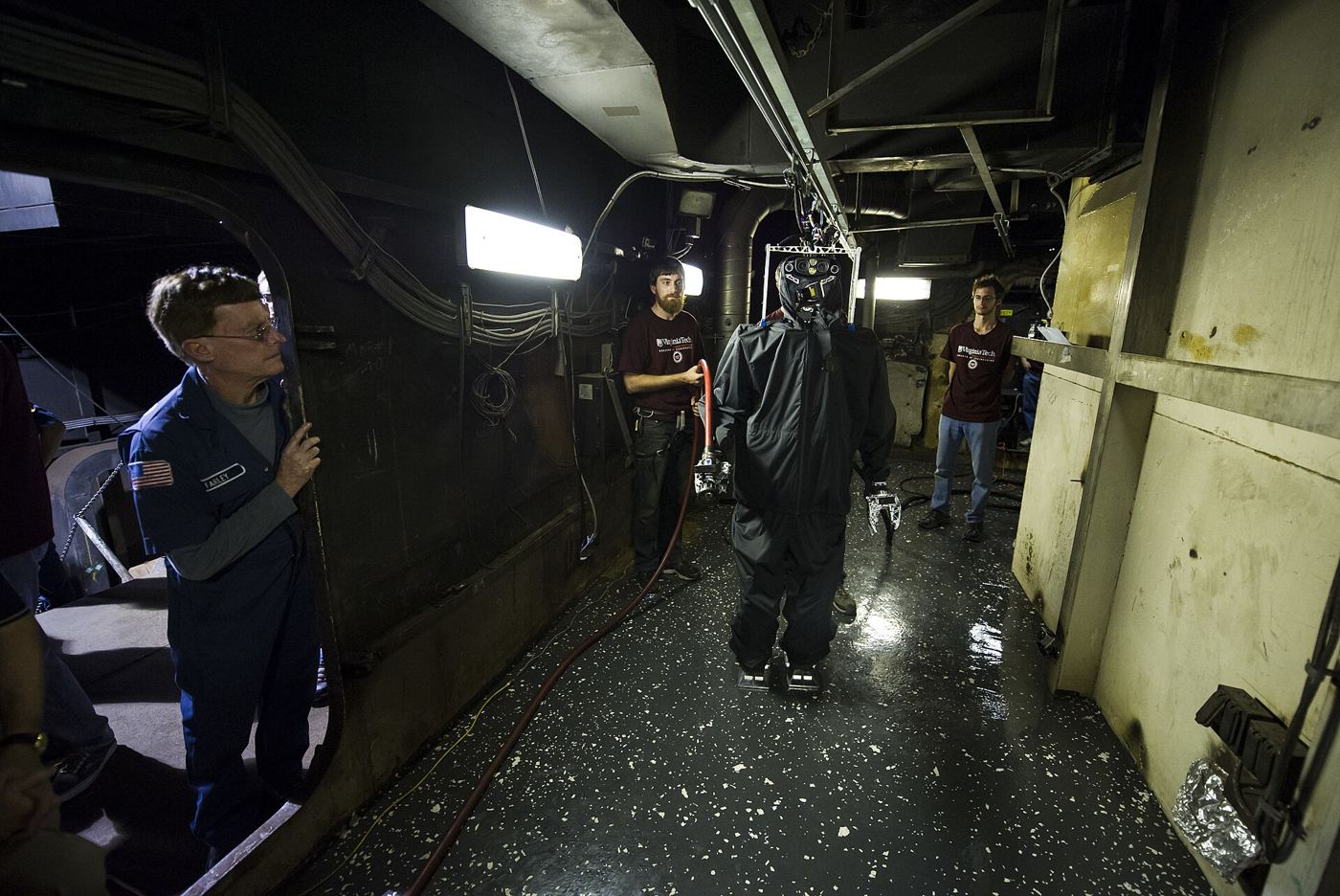
Humanoid robots are being trialled for inspection work in hazardous environments, where their ability to use stairs, doors, tools and controls.
Humanoid robots are being trialled for inspection work in hazardous environments, where their ability to use stairs, doors, tools and controls designed for people could prove more valuable than raw strength. Energy plants, chemical sites and disaster zones often contain narrow passages, valves and switches built around the human body, making a two-legged, two-armed machine a practical shape despite its complexity. In laboratory trials, robots are learning to climb, balance on uneven surfaces, read gauges and manipulate equipment while human operators supervise from a safe distance. Engineers say the immediate goal is not to replace skilled inspectors, but to send a robot first into areas with heat, radiation, toxic gas or structural risk, gathering images and measurements before anyone enters. That approach could reduce exposure to danger while still keeping human judgement in charge of decisions. Progress remains uneven, however, with batteries, durability and reliable hands still limiting how long a robot can work unsupervised in real conditions.
Before such robots can be trusted on live sites, they must prove they can fail safely, stopping or retreating when sensors, communications or footing are compromised. Specialists following humanoid robot inspections say that certification standards are still developing, because existing industrial robot rules assume fixed machines behind barriers rather than mobile robots sharing human spaces. Trial teams are therefore logging every stumble, misread gauge and dropped tool, treating failures as essential safety data rather than embarrassments. Battery life is another constraint, pushing designers toward swappable packs and tasks planned in short, verifiable stages. Operators also need clear interfaces, so a supervisor can understand what the robot sees and intends without specialist training. If those pieces mature, hazardous inspection could become one of the first genuinely useful roles for humanoid machines, chosen because the environment is dangerous, not because the robot looks impressive. Reporting and analysis from sources such as IEEE Spectrum track the same developments, and specialists following humanoid robot inspections say the direction is now consistent across independent lines of evidence.
Adoption of humanoid robot inspections follows a familiar pattern with an unfamiliar speed. Early users tolerate rough edges in exchange for advantage, mainstream users arrive when the tool disappears into existing workflows, and the market consolidates around whoever made that transition feel effortless. Vendors are racing less on raw performance now than on integration, support and trust.
The realistic forecast for humanoid robot inspections is steady integration rather than sudden replacement: embedded in products people already use, improving in increments, and regulated in proportion to its reach. The companies and institutions that plan on that basis, training staff and redesigning processes instead of chasing launches, are the ones the adoption data tends to vindicate. You can follow related developments in our coverage of technology.
It is also worth remembering how quickly the picture in this area has changed before. Positions that looked settled a few years ago have been revised as new data arrived, and the same humility is appropriate now. The strongest coverage of this subject, and the most useful advice, tends to come from sources that update their views openly when the facts move, rather than defending an earlier position long after it has stopped fitting the evidence available.