Physical Address
304 North Cardinal St.
Dorchester Center, MA 02124
Physical Address
304 North Cardinal St.
Dorchester Center, MA 02124
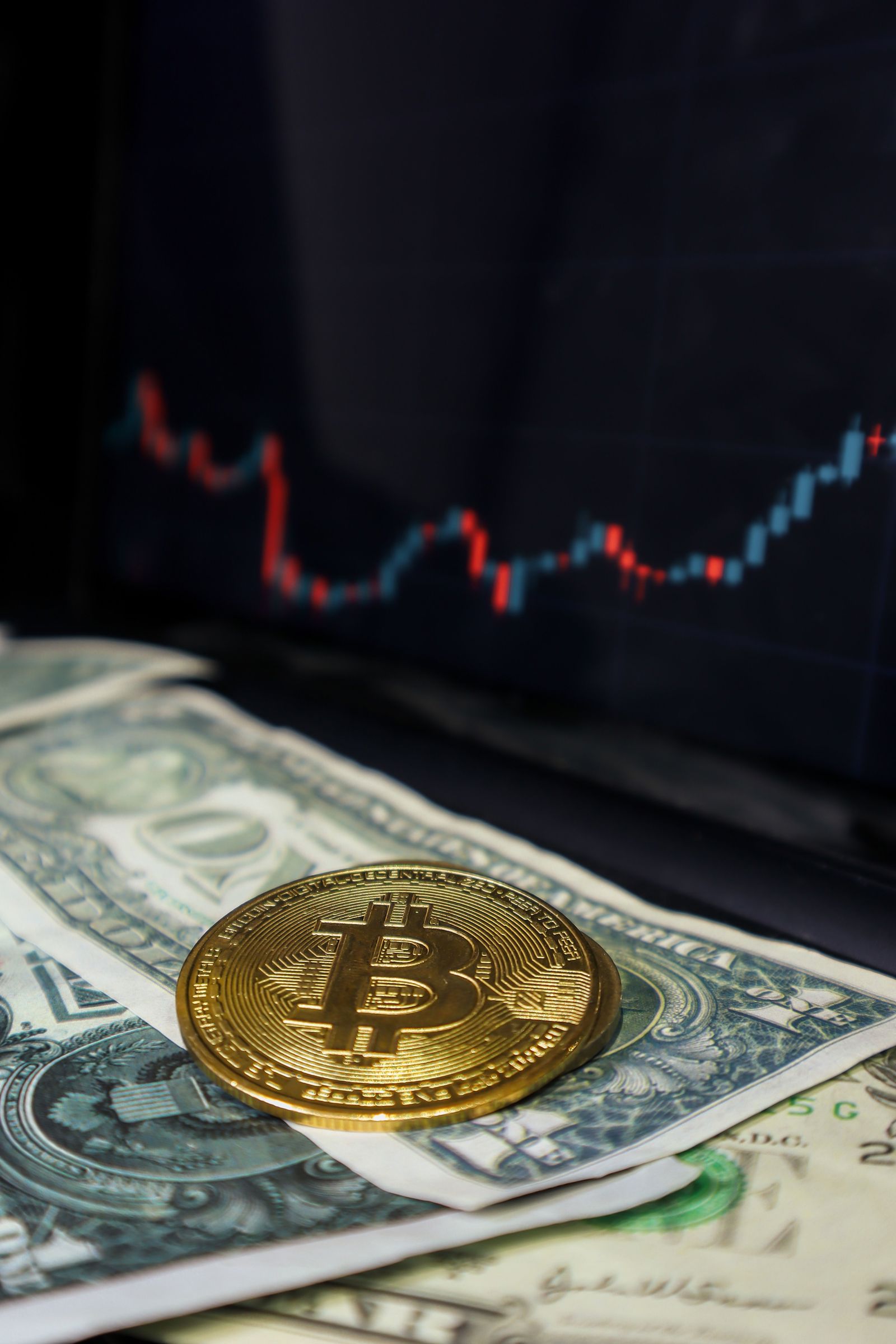
Cybercriminals have become so keen and are always seeking the next person to take advantage of. And this is especially true in rapidly growing sectors, such as p2p trading. Well, of course, service providers are themselves playing their part by adhering to stricter compliance standards and rolling out smarter fraud detection tools.
But even with all these developments happening behind the scenes, the reality is that no platform can fully protect a user who lets their guard down. That responsibility still rests with you, the trader. And if you’ve been wondering about how you can stay safe while navigating the world of P2P Bitcoin trading, you’ve just come to the right place.
Just recently, Architect Partners published a report claiming that peer-to-peer and remittance payments account for about $18 billion annually in stablecoin payments. These statistics alone show how this form of trading appeals to many people. And, of course, more users mean more opportunities that bad actors may also want to exploit.
That’s a big part of why crypto scam losses hit $17 billion in 2025, according to estimates by Chainalysis. And for exchanges, cyberattacks can really have far-reaching consequences. Take the cost of recovery, for instance. According to IBM, just a single attack could cost you up to $4.88 million. And this is without factoring in the reputational damage that follows such incidents, which can sometimes take years to repair.
On the user’s side, the impact is far more personal and immediate. Unlike institutions that may have insurance mechanisms, an individual trader usually has no fallback once funds are lost. A single wrong click like releasing Bitcoin before confirming payment can wipe out savings in seconds. And because blockchain transactions are irreversible, there’s no customer service line that can simply undo the mistake. The good news, however, is that most risks can be significantly reduced with consistent habits.
A simple action like turning on two-factor authentication (2FA) may seem basic, but don’t underestimate it. It actually does a lot of heavy lifting for your account security. The idea is straightforward: anytime something sensitive happens, you have to verify it’s you. So even if your password ends up in the wrong hands, that alone won’t be enough to get someone in. Think of it like locking your house door and then adding a second bolt that only you can open.
Most intruders don’t break in through complex hacking; they simply look for the easiest unlocked entry point. And according to multiple cybersecurity reports, a large percentage of account breaches still happen due to weak passwords or reused credentials rather than advanced technical attacks. That tells you that most risks are actually preventable. And that’s where infrastructures like 2FA come into play. Interestingly, DriveStrike says 2FA can block over 99% of unauthorized login attempts.
You also want to ensure that the app you’re using is up to date. An outdated app might seem harmless at first, but in reality, it can expose you to security vulnerabilities that have already been patched in newer versions. And, as IT Convergence recently reported, almost eight in ten (78%) data breaches were traced to known but unpatched vulnerabilities.
Such statistics are the reason you don’t want to ignore those update notifications that keep popping up on your screen. Even though they may feel routine, they are handy in fixing security gaps that attackers already know how to exploit.
Cybercriminals rarely strike without patterns. Most of them often rely on predictable psychological triggers such as urgency, confusion and greed. For example, a common tactic is pressure messaging. A buyer might insist they’ve already paid and pressure you to release the crypto before the price changes. The goal is to get you acting emotionally rather than logically.
Other actors may resort to using fake payment screenshots. The screenshots might look convincing at first glance, but they are not proof of actual funds received. To avoid falling for this trap, always rely on confirmed bank statements or wallet settlements inside your trading platform. Just a visual evidence sent through chat shouldn’t be enough to convince you, as it can always be edited to fit a deceptive narrative.
And at a time when artificial intelligence is making it easier than ever to generate highly convincing fake documents and voice notes, this risk becomes even more serious. What used to be obviously fake is no longer easy to spot at a glance. It’s the reason why relying on verified transaction records inside your P2P platform is more important than ever.
As the adage goes, “all that glitters is not gold,” and that couldn’t be more accurate in P2P Bitcoin trading. An unusually low price can easily cloud judgment if you’re not careful. So, regardless of how flashy a platform appears, always ensure it’s reputable. And some of the things you can check include:
Think of escrow as a silent middleman who holds the seller’s Bitcoin until the buyer’s payment clears, keeping both sides honest. That said, a trustworthy platform only gets you so far. You still have to do your homework on whoever you’re trading with. Don’t just chase the best rate; dig into their track record, too, studying how long they’ve been active and whether their trades actually close. In this way, you’ll be able to ensure you’re interacting with a reliable person rather than someone new with no track record.
A platform licensed by a proper regulatory body can also be a plus. And while this doesn’t translate to a completely risk-free trading, it does signal that the platform is subject to oversight. Remember, this kind of trading removes the middleman, which also removes a layer of protection. If disputes arise, solving them can be easier if the platform is accountable to a particular authority.
So, yes, P2P trading comes with a lot of freedom. But you must approach it with caution, as not every person in the industry is legit. And to help you get started on the right footing are these practical safety habits that can make all the difference every time you trade.