Physical Address
304 North Cardinal St.
Dorchester Center, MA 02124
Physical Address
304 North Cardinal St.
Dorchester Center, MA 02124
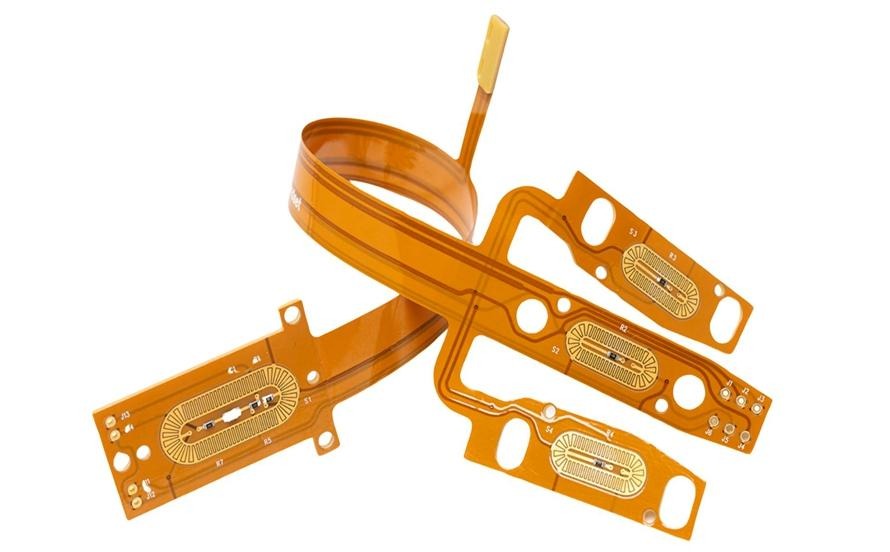
The electronics industry is constantly evolving toward smaller, lighter, and more powerful devices. As products become increasingly compact, traditional rigid printed circuit boards are not always able to meet modern design requirements. This has led to the widespread adoption of the Flex PCB, an innovative circuit board technology that offers exceptional flexibility, space-saving advantages, and improved mechanical reliability.
From smartphones and wearable devices to medical equipment, automotive electronics, aerospace systems, and industrial automation, flexible printed circuit boards have become an essential component in many advanced applications. Their ability to bend, fold, and fit into tight spaces allows engineers to develop products with greater functionality while reducing size and weight.
However, the performance and reliability of a flexible circuit depend not only on its design but also on the expertise of the manufacturer producing it. Working with an experienced Flex PCB Manufacturer ensures high-quality materials, precision manufacturing, and consistent product performance throughout the product lifecycle.
This article explores the fundamentals of flex PCB technology, its manufacturing process, major applications, key advantages, and the importance of selecting the right manufacturing partner.
A Flex PCB, also known as a flexible printed circuit board, is a type of printed circuit board manufactured using flexible substrate materials instead of traditional rigid fiberglass laminates. The most commonly used substrate is polyimide, which offers excellent flexibility, thermal stability, and electrical insulation.
Unlike rigid circuit boards that maintain a fixed shape, flexible PCBs can bend, twist, or fold without damaging the electrical circuits. This unique capability enables engineers to design electronic products with complex mechanical configurations while maintaining reliable electrical connections.
Flexible PCBs may consist of a single conductive layer or multiple copper layers depending on the complexity of the application. Some designs are entirely flexible, while others combine rigid and flexible sections in a rigid-flex PCB configuration to achieve the advantages of both technologies.
The manufacturing process for a flex PCB requires specialized equipment and precise process control due to the unique properties of flexible materials. Production begins with circuit design, where engineers prepare Gerber files, fabrication drawings, and manufacturing specifications.
A flexible substrate such as polyimide is coated with copper foil, which is then patterned using photolithography and chemical etching to create the required electrical circuits. Protective coverlay films are applied over the circuitry to provide insulation while allowing the board to retain its flexibility.
Drilling, laser processing, copper plating, surface finishing, and stiffener attachment are completed based on the product requirements. Stiffeners made from FR-4, stainless steel, or polyimide may be added to specific areas where additional mechanical support is required for connectors or components.
Once fabrication is complete, the board undergoes electrical testing, dimensional inspection, and quality verification before assembly or shipment. Because flexible circuits are frequently used in mission-critical applications, maintaining manufacturing accuracy throughout every stage is essential.
The growing popularity of flexible circuit boards is largely due to the numerous benefits they offer over traditional rigid PCBs. Their greatest advantage is mechanical flexibility, which allows designers to route circuits through confined spaces that would be impossible with rigid boards.
By eliminating many wire harnesses and connectors, flex PCBs simplify product assembly while reducing potential failure points. Fewer connectors improve signal reliability and minimize maintenance requirements throughout the product’s lifespan.
Flexible boards also contribute to significant weight reduction, making them ideal for portable electronics, aerospace systems, drones, and wearable devices where minimizing weight directly improves performance.
Another important benefit is improved durability. Flexible circuits are better able to withstand vibration, repeated movement, and mechanical stress compared to conventional rigid boards connected by cables. This increased reliability makes them suitable for products exposed to continuous motion or harsh operating environments.
The versatility of flex PCB technology has led to its adoption across numerous industries. Consumer electronics manufacturers use flexible circuits extensively in smartphones, tablets, digital cameras, laptops, gaming consoles, and smartwatches where compact internal layouts are essential.
Medical devices also benefit from flexible PCB technology because it enables smaller and lighter equipment without compromising reliability. Portable diagnostic instruments, patient monitoring systems, hearing aids, endoscopic equipment, and implantable medical devices often incorporate flexible circuits to optimize performance within limited space.
The automotive industry increasingly relies on flex PCBs for advanced driver assistance systems, infotainment displays, lighting modules, steering controls, battery management systems, and various electronic sensors. Their ability to tolerate vibration and temperature variations makes them well suited for automotive environments.
Flexible circuit boards are equally important in aerospace and defense applications where lightweight construction, durability, and reliability are critical. Satellites, aircraft control systems, navigation equipment, communication modules, and military electronics frequently utilize flexible PCB designs.
Industrial automation, robotics, telecommunications equipment, and Internet of Things (IoT) devices also continue to drive growing demand for flexible circuit board technology.
The performance of a flexible PCB depends heavily on the materials selected during manufacturing. Polyimide remains the most widely used base material due to its excellent thermal resistance, chemical stability, and long-term flexibility. It maintains its electrical and mechanical properties even under demanding operating conditions.
Copper foil serves as the conductive layer and is available in different thicknesses depending on current-carrying requirements. Rolled annealed copper is often preferred for dynamic flex applications because it offers superior flexibility and fatigue resistance compared to electrodeposited copper.
Coverlay films protect the conductive traces from environmental damage while preserving the board’s flexibility. Adhesives, stiffeners, and specialized surface finishes are selected based on the intended application, assembly process, and environmental requirements.
Choosing the right combination of materials ensures that the finished flex PCB delivers reliable performance throughout its service life.
Manufacturing flexible circuit boards requires expertise that extends beyond conventional PCB fabrication. An experienced Flex PCB Manufacturer understands the complexities associated with flexible materials, bend radius calculations, mechanical stress management, and precision assembly.
Professional manufacturers provide engineering support during the design stage by reviewing layouts for manufacturability. Design for Manufacturability (DFM) analysis helps identify potential issues related to trace routing, material selection, component placement, and bending performance before production begins.
An experienced manufacturer also invests in advanced fabrication equipment capable of producing fine-line circuitry, laser-drilled microvias, high-density interconnections, and precision coverlay registration. These capabilities are essential for manufacturing today’s increasingly sophisticated flexible electronic products.
Reliable manufacturers maintain strict quality control throughout production, ensuring every board meets customer specifications while minimizing defects and production delays. Their expertise allows customers to move efficiently from prototype development to large-scale manufacturing with consistent quality.
Quality assurance plays a central role in flexible PCB manufacturing because even minor defects can significantly affect product reliability. Every production stage requires careful monitoring to ensure dimensional accuracy, circuit integrity, and mechanical durability.
Electrical testing verifies circuit continuity and insulation performance before shipment. Automated Optical Inspection (AOI) identifies manufacturing defects such as missing traces, shorts, or open circuits, while dimensional inspections confirm that the board meets precise design tolerances.
Manufacturers may also perform bend testing, environmental testing, thermal cycling, and reliability assessments depending on the intended application. These evaluations help ensure the flexible circuit maintains stable performance during continuous movement and long-term operation.
Many leading manufacturers comply with internationally recognized certifications such as ISO 9001, IPC standards, UL certification, and RoHS compliance, demonstrating their commitment to consistent manufacturing quality.
The demand for flexible PCB technology continues to grow as electronic devices become increasingly compact and feature-rich. Emerging technologies such as wearable healthcare devices, foldable smartphones, electric vehicles, autonomous systems, and advanced robotics are creating new opportunities for flexible circuit applications.
Manufacturers are investing in automation, laser processing, advanced imaging systems, and precision manufacturing technologies to improve production efficiency while supporting increasingly complex designs. New materials offering enhanced thermal performance, improved flexibility, and greater durability are also expanding the possibilities for next-generation electronic products.
As artificial intelligence, 5G communication, medical innovation, and smart manufacturing continue to advance, flexible PCBs will remain an essential technology supporting the future of modern electronics.
The Flex PCB has transformed electronic product design by providing engineers with greater flexibility, improved reliability, and significant space-saving advantages. Its ability to bend, fold, and withstand continuous mechanical stress makes it an ideal solution for industries ranging from consumer electronics and healthcare to automotive, aerospace, and industrial automation.
Partnering with a trusted Flex PCB Manufacturer is equally important for ensuring manufacturing precision, material quality, and long-term product reliability. Experienced manufacturers offer advanced production capabilities, engineering support, and comprehensive quality control that help businesses develop innovative electronic products with confidence. As technology continues to evolve, flexible circuit boards will remain at the forefront of modern electronic design, enabling smaller, smarter, and more reliable devices for the future.