Physical Address
304 North Cardinal St.
Dorchester Center, MA 02124
Physical Address
304 North Cardinal St.
Dorchester Center, MA 02124
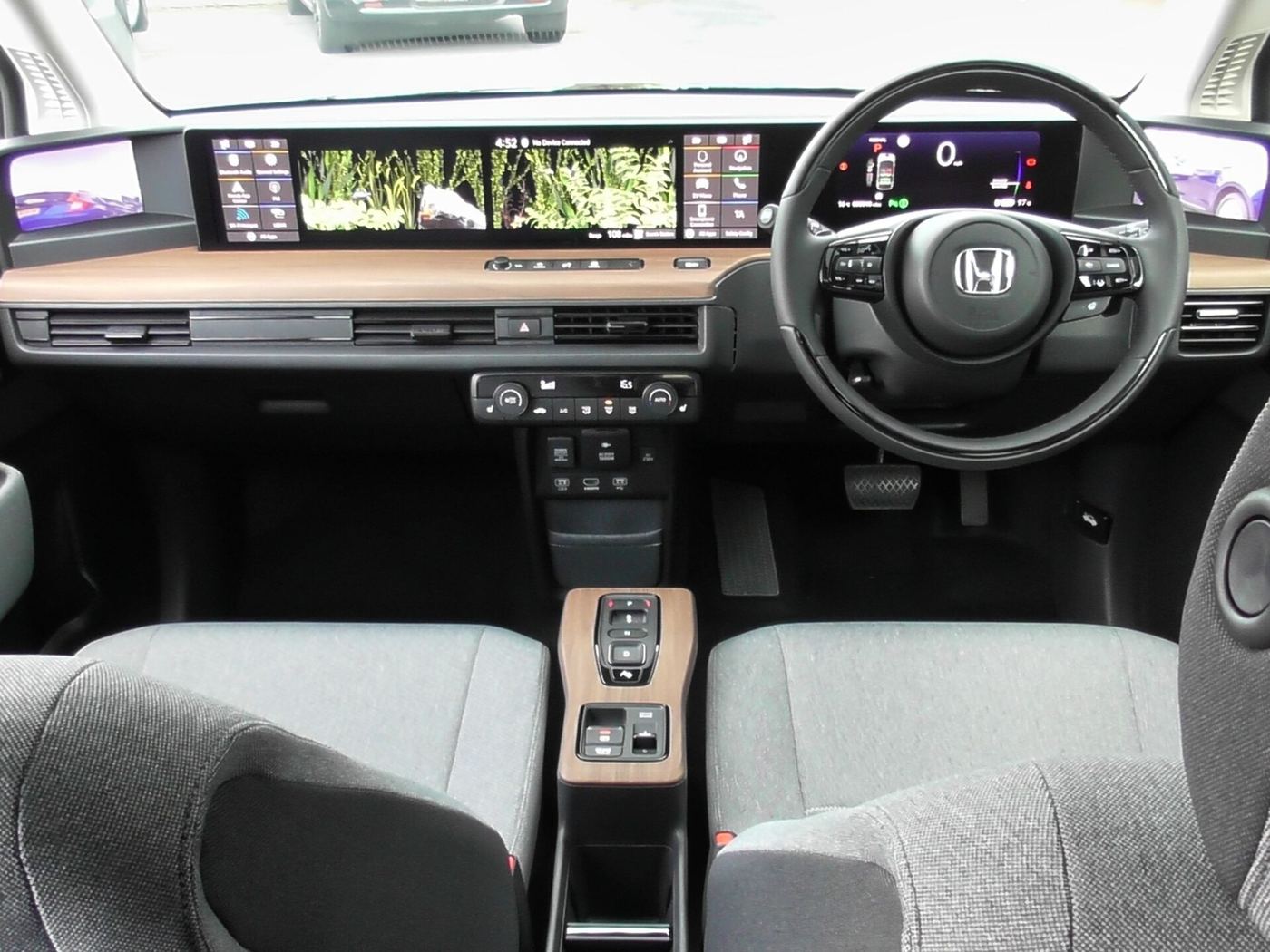
Electric car ownership increasingly changes after purchase, as manufacturers push software updates that revise everything from range estimates to.
Electric car ownership increasingly changes after purchase, as manufacturers push software updates that revise everything from range estimates to the layout of the dashboard. The latest wave of updates focuses on charging, long the most anxious part of a long journey. Revised interfaces now show, at a glance, how long a stop will actually take to reach the charge level needed for the next leg, rather than simply filling the battery. Cars pre-warm their batteries automatically when a charger is the destination, so charging begins at full speed on arrival, and payment details are handled by the vehicle for supported networks. Route planners have grown more honest too, factoring in weather, elevation and recent driving style when predicting consumption, and suggesting alternatives when a planned charger is busy or out of service. For drivers, these are unglamorous improvements that remove the mental arithmetic early electric cars demanded. Owners’ groups consistently rank charging clarity above novelty features when asked what software should improve next.
The shift toward software-defined vehicles brings responsibilities that car makers are still learning to handle gracefully. Updates must be tested as rigorously as physical components, because a dashboard fault can distract a driver or disable essential controls, and owners expect the choice to defer changes that alter familiar layouts. Regulators are paying closer attention to how updates are documented and how long manufacturers commit to supporting older models, since a car may stay on the road for fifteen years while its software platform ages in five. There are also questions about data, as charging-focused features work best when vehicles share battery and journey information with charging networks. Privacy-conscious design can limit that sharing to what each function requires. Done well, the update model means a three-year-old car can charge more conveniently than the day it was bought, narrowing the usability gap with petrol refuelling. Done badly, it erodes trust. The manufacturers earning loyalty are those treating updates as careful maintenance rather than constant reinvention of the driving experience. Reporting and analysis from sources such as IEEE Spectrum track the same developments, and specialists following dashboard software updates simplifying electric car charging say the direction is now consistent across independent lines of evidence.
Adoption of dashboard software updates simplifying electric car charging follows a familiar pattern with an unfamiliar speed. Early users tolerate rough edges in exchange for advantage, mainstream users arrive when the tool disappears into existing workflows, and the market consolidates around whoever made that transition feel effortless. Vendors are racing less on raw performance now than on integration, support and trust.
The realistic forecast for dashboard software updates simplifying electric car charging is steady integration rather than sudden replacement: embedded in products people already use, improving in increments, and regulated in proportion to its reach. The companies and institutions that plan on that basis, training staff and redesigning processes instead of chasing launches, are the ones the adoption data tends to vindicate. You can follow related developments in our coverage of technology.
It is also worth remembering how quickly the picture in this area has changed before. Positions that looked settled a few years ago have been revised as new data arrived, and the same humility is appropriate now. The strongest coverage of this subject, and the most useful advice, tends to come from sources that update their views openly when the facts move, rather than defending an earlier position long after it has stopped fitting the evidence available.