Physical Address
304 North Cardinal St.
Dorchester Center, MA 02124
Physical Address
304 North Cardinal St.
Dorchester Center, MA 02124
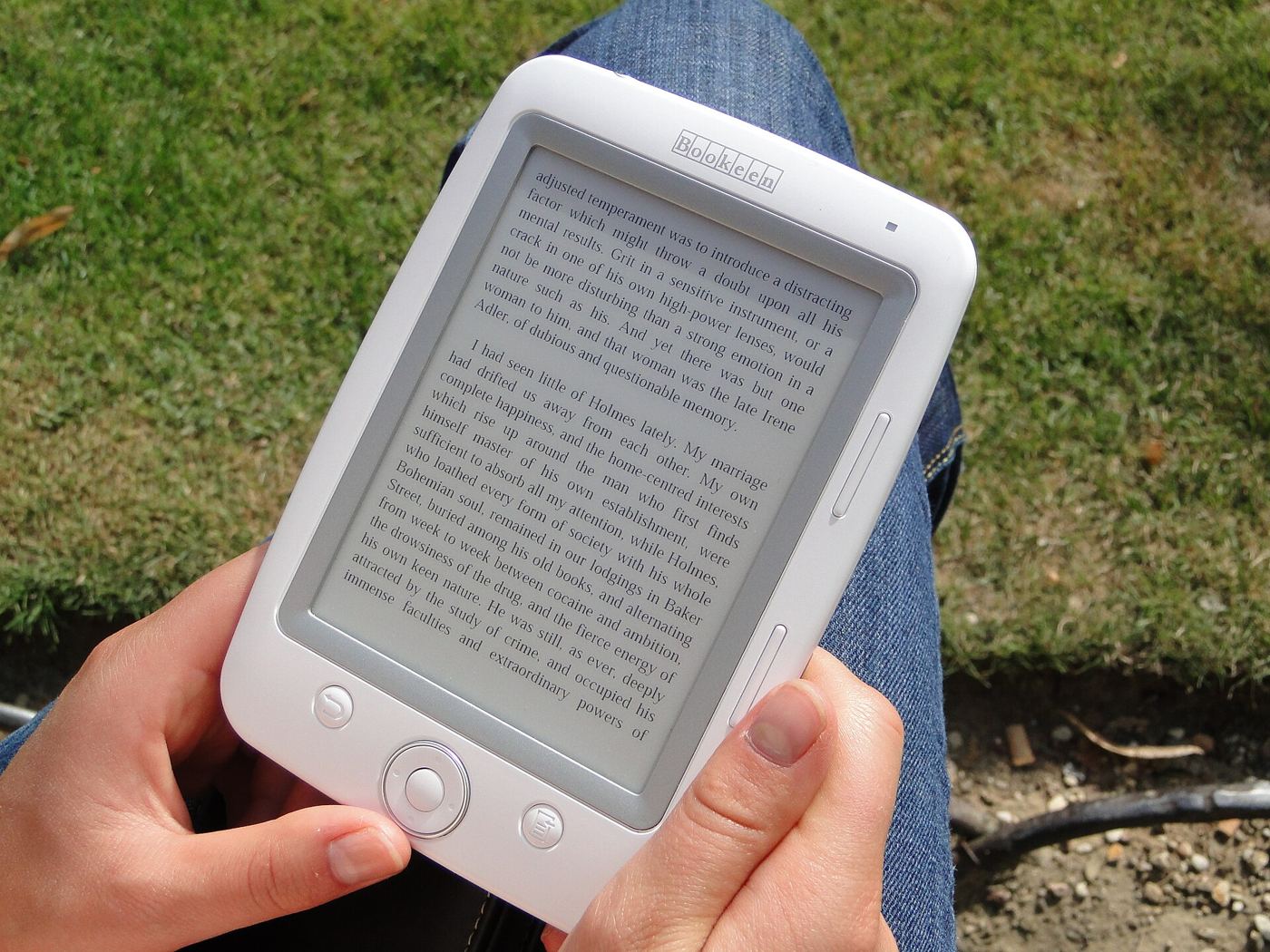
An e-reader looks nothing like a tablet.
An e-reader looks nothing like a tablet. Its screen does not glow with backlit colour but instead uses tiny capsules of black and white particles that rearrange themselves to form letters, much like ink on paper. The result is a display that is easy on the eyes, readable in bright sunlight and gentle on battery life, since power is only used when the page changes. A single charge can last for weeks, and the device can hold thousands of books in a package lighter than a paperback. For readers, the appeal is simple: a whole library that fits in a coat pocket, with adjustable text size for tired eyes and a built-in light for reading in bed. Bookshops and libraries have embraced the format, and many readers now keep both paper books and an e-reader, choosing whichever suits the moment. It is a device built for readers, not for everything else a screen can do.
The technology behind these quiet devices has improved steadily over the years. Modern e-readers have sharper screens, warm-toned front lights that adjust to the time of day and waterproof cases for reading by the pool or in the bath. Some models add a stylus for taking notes in the margins, while others support audiobooks for listening on the move. Colour e-ink has also arrived, bringing muted tones to comics and illustrated books, though it is still less vivid than a tablet screen. The devices are deliberately limited: they do not run social media or video, which many readers see as a feature rather than a flaw. For people who read every day, that focus is the point. An e-reader does one thing well, and it does it without the distractions of a general-purpose screen. For readers, that single-minded focus is exactly the appeal. Reporting and analysis from sources such as IEEE Spectrum track the same developments, and specialists following the e-ink readers bringing paper-like screens to book lovers say the direction is now consistent across independent lines of evidence.
Adoption of the e-ink readers bringing paper-like screens to book lovers follows a familiar pattern with an unfamiliar speed. Early users tolerate rough edges in exchange for advantage, mainstream users arrive when the tool disappears into existing workflows, and the market consolidates around whoever made that transition feel effortless. Vendors are racing less on raw performance now than on integration, support and trust.
The realistic forecast for the e-ink readers bringing paper-like screens to book lovers is steady integration rather than sudden replacement: embedded in products people already use, improving in increments, and regulated in proportion to its reach. The companies and institutions that plan on that basis, training staff and redesigning processes instead of chasing launches, are the ones the adoption data tends to vindicate. You can follow related developments in our coverage of technology.
It is also worth remembering how quickly the picture in this area has changed before. Positions that looked settled a few years ago have been revised as new data arrived, and the same humility is appropriate now. The strongest coverage of this subject, and the most useful advice, tends to come from sources that update their views openly when the facts move, rather than defending an earlier position long after it has stopped fitting the evidence available.