Physical Address
304 North Cardinal St.
Dorchester Center, MA 02124
Physical Address
304 North Cardinal St.
Dorchester Center, MA 02124
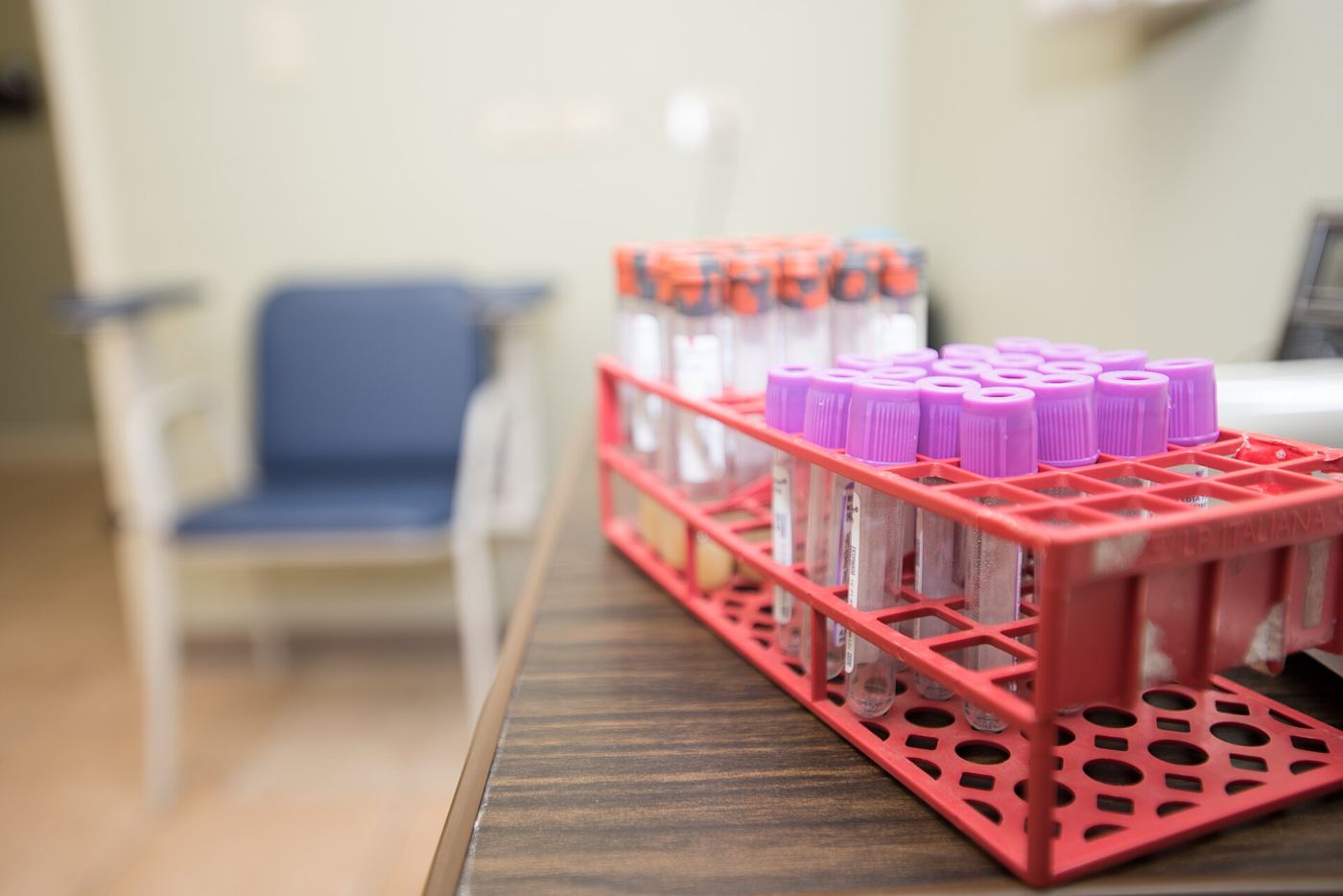
Community clinics are preparing for their busiest weeks of the year as winter illnesses begin to circulate and appointment demand rises.
Community clinics are preparing for their busiest weeks of the year as winter illnesses begin to circulate and appointment demand rises. Managers are adjusting rotas, opening additional clinics for respiratory symptoms, and reminding patients how to choose between self care, pharmacies, and medical appointments. Older adults and people with long term conditions are being contacted first about vaccinations and medication reviews. Staff say early planning helps, but demand can still spike sharply when flu and other viruses peak at the same time. Clear public information about opening hours and urgent care options becomes especially important during holiday periods. Patient groups are being asked to share feedback on access and communication, helping clinics adjust services while the season progresses rather than waiting until problems are reviewed next spring.
Clinicians encourage patients to order repeat prescriptions early, keep basic medicines at home, and seek advice promptly if symptoms worsen or fail to improve. Reception teams, often under intense pressure, are using triage systems to direct people to the most appropriate professional, which may be a nurse, pharmacist, or paramedic rather than a doctor. Health leaders emphasise that emergency departments should be kept for serious and life threatening problems. Behind the scenes, clinics coordinate with hospitals and community nurses to support patients at home where possible. The shared goal is a winter service that remains safe, responsive, and sustainable for staff. Despite the pressures, staff say teamwork and public cooperation make a measurable difference, and they thank patients who use services thoughtfully during the most demanding weeks of the year ahead together. Reporting and analysis from sources such as The Lancet track the same developments, and specialists following community clinics preparing for winter say the direction is now consistent across independent lines of evidence.
Equity runs through every discussion of community clinics preparing for winter. Interventions that require apps, fees or free weekday afternoons reliably reach the people who need them least, so the programmes earning praise are those designed around clinics, workplaces and community venues that already serve everyone. Evaluation reports now publish uptake by income and region as a matter of routine.
The practical takeaway on community clinics preparing for winter is deliberately unglamorous: it works best as part of ordinary, well-delivered care rather than as a standalone fix. Health services are planning on that basis, building the referral routes and follow-up that turn a promising result into population benefit. The gains arrive slowly and then, in the statistics, unmistakably. You can follow related developments in our coverage of health.
It is also worth remembering how quickly the picture in this area has changed before. Positions that looked settled a few years ago have been revised as new data arrived, and the same humility is appropriate now. The strongest coverage of this subject, and the most useful advice, tends to come from sources that update their views openly when the facts move, rather than defending an earlier position long after it has stopped fitting the evidence available.