Physical Address
304 North Cardinal St.
Dorchester Center, MA 02124
Physical Address
304 North Cardinal St.
Dorchester Center, MA 02124
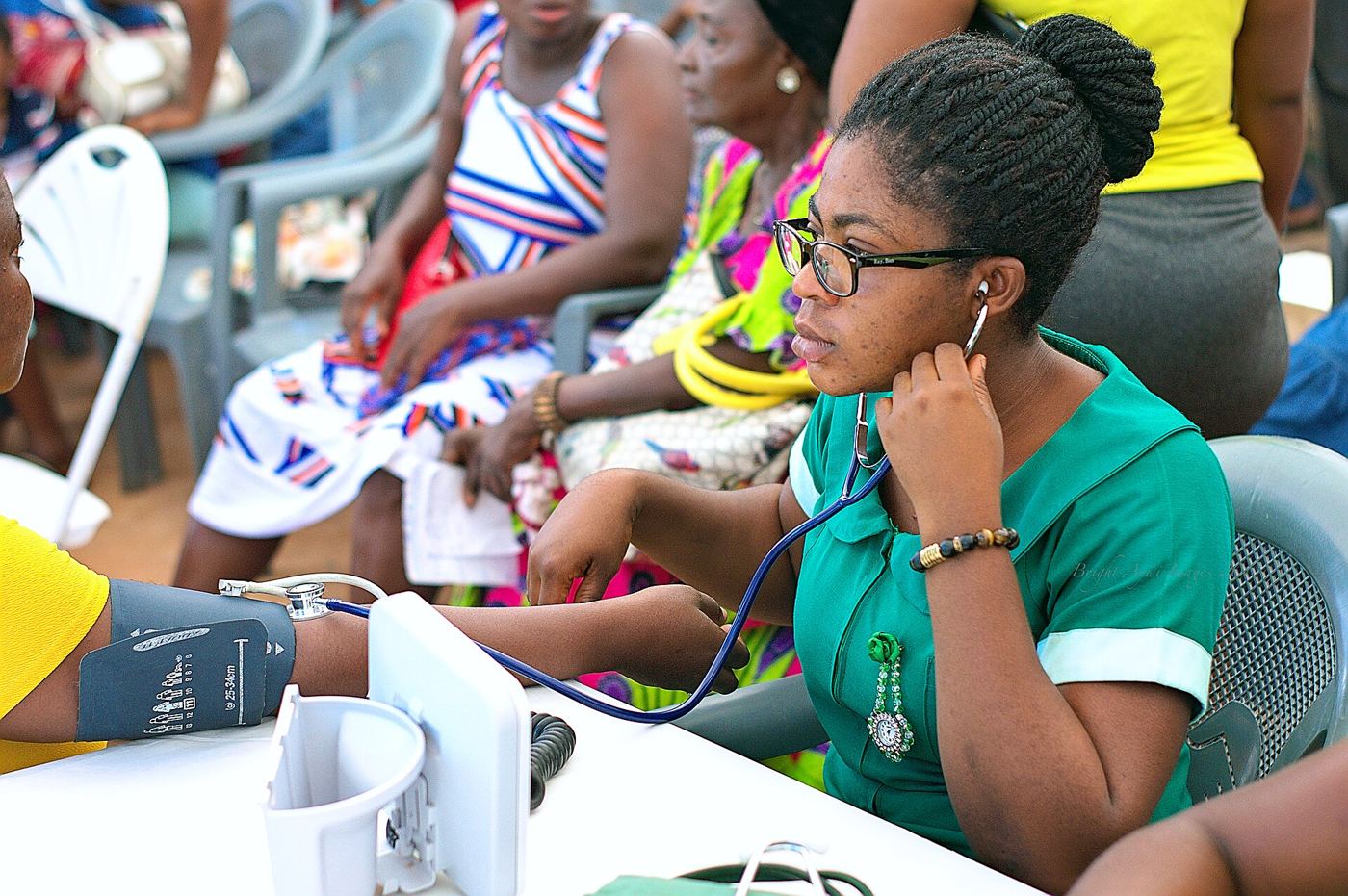
Community blood pressure checks are identifying thousands of people who did not know their readings were high, health services report.
Community blood pressure checks are identifying thousands of people who did not know their readings were high, health services report. Pharmacies, clinics and pop-up sessions in workplaces are offering quick tests, because hypertension rarely causes symptoms before it contributes to strokes and heart disease. Nurses say many people are surprised by their results and need a calm explanation of what happens next, rather than alarm. Follow-up involves repeat readings, sometimes at home, before any diagnosis is made. Doctors stress that a single high measurement is a prompt to check properly, not proof of a long-term condition requiring immediate medication.
Where high blood pressure is confirmed, lifestyle changes and medication together usually bring readings down, and regular monitoring shows whether treatment is working. Clinics are prioritising people who rarely visit a doctor, including shift workers and younger adults who feel healthy. Home monitors, used correctly with the right cuff size, give more reliable patterns than occasional surgery readings. Health staff also check for related risks such as smoking, diabetes and high cholesterol during the same visit. The programme’s organisers say the model is inexpensive compared with treating emergencies, and they want checks offered routinely in more everyday settings. Reporting and analysis from sources such as The Lancet track the same developments, and specialists following community blood pressure checks say the direction is now consistent across independent lines of evidence.
Equity runs through every discussion of community blood pressure checks. Interventions that require apps, fees or free weekday afternoons reliably reach the people who need them least, so the programmes earning praise are those designed around clinics, workplaces and community venues that already serve everyone. Evaluation reports now publish uptake by income and region as a matter of routine.
The practical takeaway on community blood pressure checks is deliberately unglamorous: it works best as part of ordinary, well-delivered care rather than as a standalone fix. Health services are planning on that basis, building the referral routes and follow-up that turn a promising result into population benefit. The gains arrive slowly and then, in the statistics, unmistakably. You can follow related developments in our coverage of health.
It is also worth remembering how quickly the picture in this area has changed before. Positions that looked settled a few years ago have been revised as new data arrived, and the same humility is appropriate now. The strongest coverage of this subject, and the most useful advice, tends to come from sources that update their views openly when the facts move, rather than defending an earlier position long after it has stopped fitting the evidence available.
None of this will be settled by a single announcement, study or product launch. The pattern to watch is accumulation: independent confirmations, honest reporting of failures and steady improvement in the underlying numbers. Readers who follow those signals, rather than the loudest claim of the week, will understand this subject better than most of the commentary surrounding it suggests is possible.