Physical Address
304 North Cardinal St.
Dorchester Center, MA 02124
Physical Address
304 North Cardinal St.
Dorchester Center, MA 02124
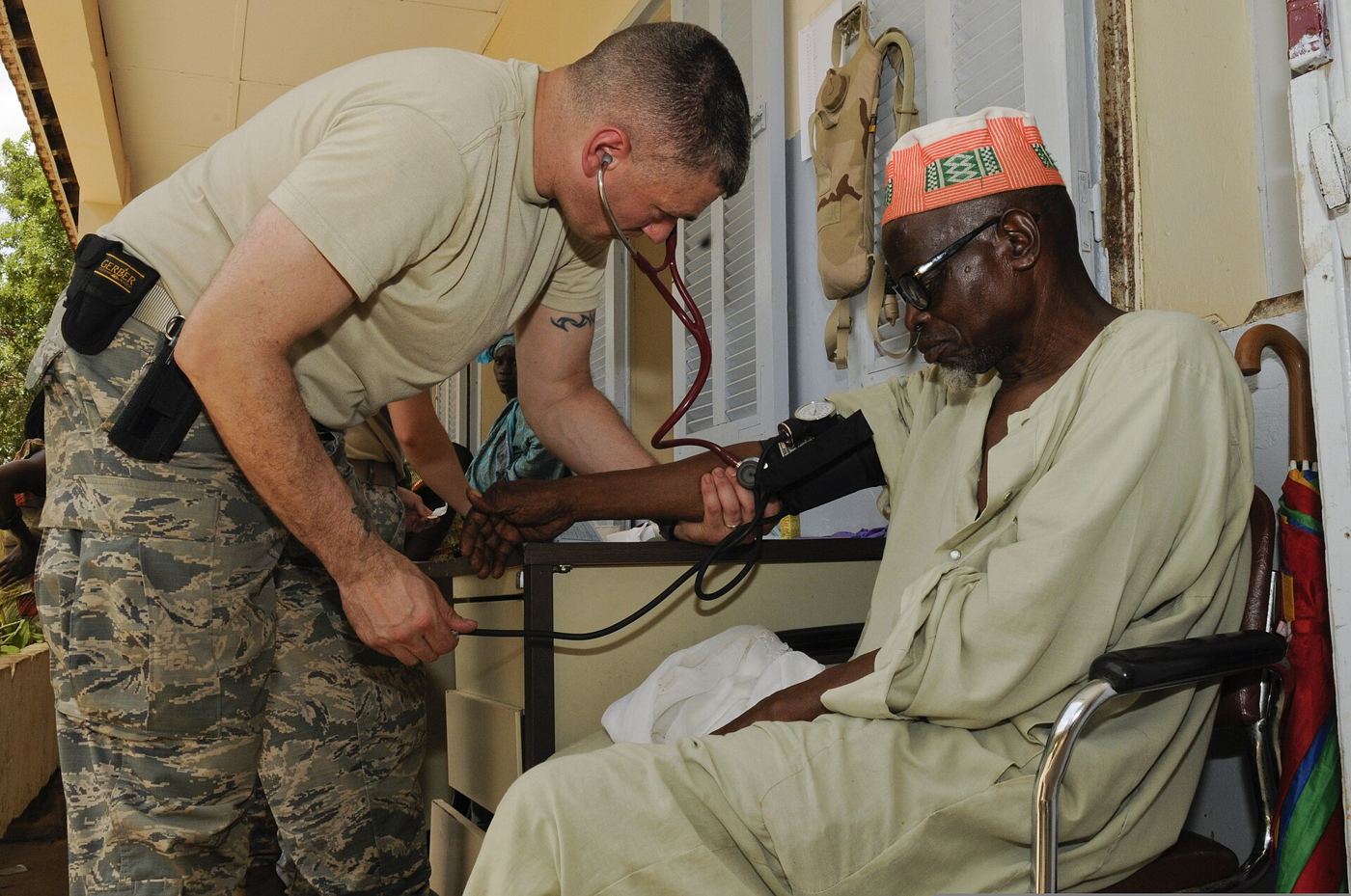
Pharmacies offering free blood pressure checks are helping more adults discover raised readings early, often before any symptoms appear.
Pharmacies offering free blood pressure checks are helping more adults discover raised readings early, often before any symptoms appear. Health professionals explain that high blood pressure usually has no obvious warning signs, yet it increases the risk of stroke and heart disease over time if it remains untreated. A quick check with a correctly fitted cuff takes only a few minutes, and anyone with a high reading is advised to have it confirmed through follow up testing rather than relying on a single measurement. Community pharmacists say many visitors are surprised by their result and grateful for practical advice offered on the spot.
Follow up care may include repeat readings at home or in a clinic, a review of medicines, and discussion of lifestyle factors such as salt intake, activity, alcohol, and smoking. Nurses emphasise that a diagnosis is never made from one pharmacy reading alone, because anxiety, recent exercise, and caffeine can all raise a result temporarily. People found to have persistently high readings are referred promptly to their doctor for a full assessment. Public health teams hope that placing checks in familiar High Street locations will reach adults who rarely visit a surgery, including shift workers who find standard appointment times difficult to manage. Reporting and analysis from sources such as National Institutes of Health track the same developments, and specialists following pharmacy blood pressure checks say the direction is now consistent across independent lines of evidence.
The wider context is a health system trying to move from treating illness late to preventing it early, against budgets that reward the opposite. Evidence around pharmacy blood pressure checks is being weighed by guideline committees that ask two questions in order: does it work, and can ordinary services actually deliver it at scale. Many good ideas pass the first test and stall on the second.
What happens next for pharmacy blood pressure checks depends on the slow machinery of guidelines, funding and training catching up with the evidence. Patients asking about it today should expect honest answers that include uncertainty, and clinicians say a service that explains what is not yet known earns more trust than one that oversells. The research pipeline, at least, is moving in the right direction. You can follow related developments in our coverage of health.
None of this will be settled by a single announcement, study or product launch. The pattern to watch is accumulation: independent confirmations, honest reporting of failures and steady improvement in the underlying numbers. Readers who follow those signals, rather than the loudest claim of the week, will understand this subject better than most of the commentary surrounding it suggests is possible.
There is a practical lesson in all of this for readers deciding what to do today. Start with the verified facts, be wary of anyone promising certainty, and prefer reversible steps while the evidence is still developing. Circumstances differ by country, income and personal situation, so general guidance should always be weighed against your own context before you act on it in any significant or lasting way.