Physical Address
304 North Cardinal St.
Dorchester Center, MA 02124
Physical Address
304 North Cardinal St.
Dorchester Center, MA 02124
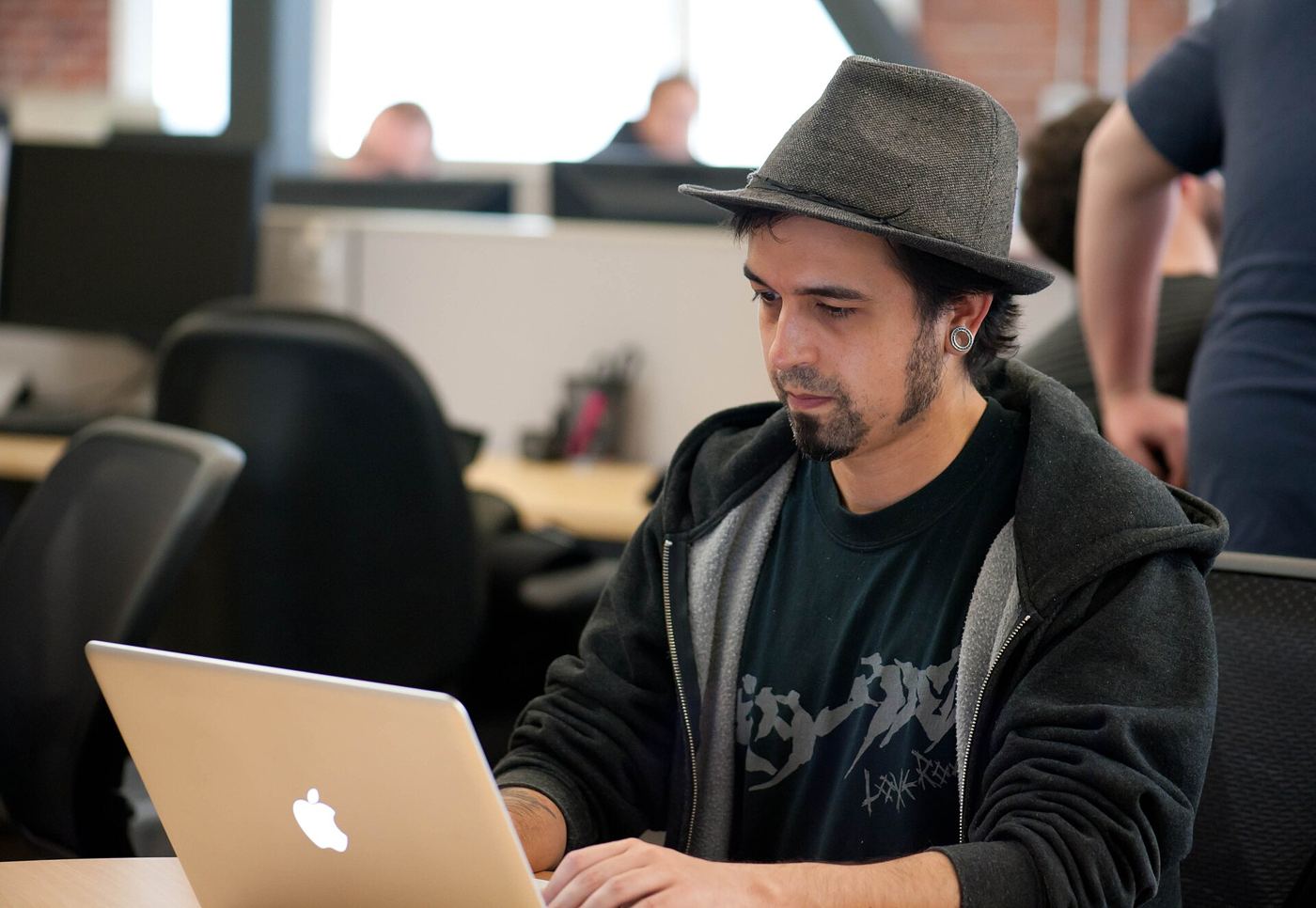
Writing software has always involved a second pair of eyes.
Writing software has always involved a second pair of eyes. Before code is released, another developer reads it, looking for mistakes, security flaws and places where the logic is unclear. That review process is slow and skilled work, and as software grows larger, teams struggle to review everything in time. Artificial intelligence assistants are now helping, scanning code as it is written and flagging problems within seconds. The tools can spot common bugs, suggest clearer ways to write a function and warn when a change might break something else. Developers who use them say the assistants are most useful for routine checks, catching the kind of errors that are easy to miss when reading hundreds of lines. For junior developers, the instant feedback can speed up learning, though it can also hide gaps in understanding. The tools learn from large collections of public code, which gives them a broad knowledge of patterns, though they can also repeat the mistakes found in that code.
Making AI code review trustworthy is the main challenge. The assistants sometimes flag correct code as wrong, and sometimes miss subtle errors that a human reviewer would catch, so teams treat their suggestions as advice rather than verdicts. Companies are setting rules about what the tools may see, since code often contains secrets and customer data that must not leave the organisation. Some teams run the assistants on their own servers to keep code private. Developers also worry about skill: juniors who rely on the assistant for every check may never learn to spot problems themselves. Experienced engineers argue the opposite, that reviewing the assistant’s suggestions is itself good training. The consensus emerging is that AI assistants work best as a first pass, handling the routine and leaving human reviewers free to focus on design, security and the questions that require real judgement. The best teams pair the assistant with a human reviewer, combining speed with judgement. Reporting and analysis from sources such as IEEE Spectrum track the same developments, and specialists following the AI code assistants say the direction is now consistent across independent lines of evidence.
Adoption of the AI code assistants follows a familiar pattern with an unfamiliar speed. Early users tolerate rough edges in exchange for advantage, mainstream users arrive when the tool disappears into existing workflows, and the market consolidates around whoever made that transition feel effortless. Vendors are racing less on raw performance now than on integration, support and trust.
The realistic forecast for the AI code assistants is steady integration rather than sudden replacement: embedded in products people already use, improving in increments, and regulated in proportion to its reach. The companies and institutions that plan on that basis, training staff and redesigning processes instead of chasing launches, are the ones the adoption data tends to vindicate. You can follow related developments in our coverage of technology.
It is also worth remembering how quickly the picture in this area has changed before. Positions that looked settled a few years ago have been revised as new data arrived, and the same humility is appropriate now. The strongest coverage of this subject, and the most useful advice, tends to come from sources that update their views openly when the facts move, rather than defending an earlier position long after it has stopped fitting the evidence available.