Physical Address
304 North Cardinal St.
Dorchester Center, MA 02124
Physical Address
304 North Cardinal St.
Dorchester Center, MA 02124
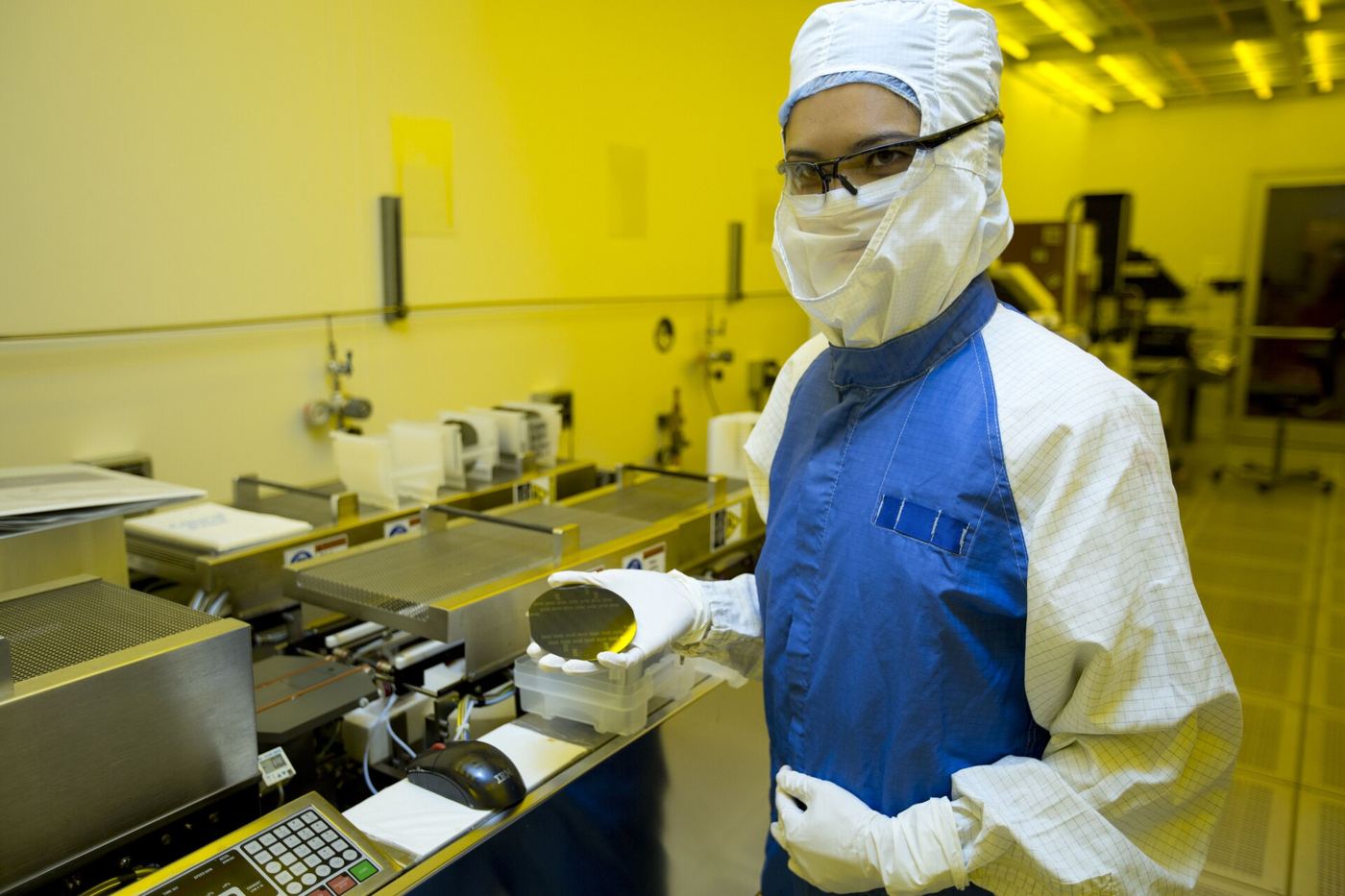
British chip designer Fractile announced a 720 million dollar Series C funding round on 11 November, one of the largest ever raised by a European.
British chip designer Fractile announced a 720 million dollar Series C funding round on 11 November, one of the largest ever raised by a European semiconductor startup. The company designs specialised chips for AI inference, the work of running trained models to answer questions, generate text and process images. Its pitch is that inference-focused hardware can do the job faster and more cheaply than general-purpose accelerators. The round, backed by British investors and government support, values the company at roughly 7 billion dollars, according to reports. For the United Kingdom, the deal is a rare homegrown success story in an industry dominated by American and Asian giants. Fractile’s chips are designed around a different architecture from the graphics processors that dominate AI, aiming to run inference workloads with less power and at lower cost.
Fractile faces the hardest problem in chips: displacing an incumbent that already owns the market. NVIDIA’s hardware runs most of the world’s AI, and its software ecosystem keeps customers loyal. Inference challengers argue the market is shifting, because running models is becoming a bigger business than training them, and efficiency matters more than raw power. The new funding will pay for manufacturing, hiring and winning customers willing to try an alternative. Whether Fractile can turn a well-funded design into a product that data centres actually buy will be the test of the next two years. Britain has struggled to keep semiconductor companies at home, so ministers hope Fractile will anchor a domestic chip industry rather than relocating or being bought by an overseas rival. Reporting and analysis from sources such as IEEE Spectrum track the same developments, and specialists following the British AI chip startup Fractile say the direction is now consistent across independent lines of evidence.
Adoption of the British AI chip startup Fractile follows a familiar pattern with an unfamiliar speed. Early users tolerate rough edges in exchange for advantage, mainstream users arrive when the tool disappears into existing workflows, and the market consolidates around whoever made that transition feel effortless. Vendors are racing less on raw performance now than on integration, support and trust.
The realistic forecast for the British AI chip startup Fractile is steady integration rather than sudden replacement: embedded in products people already use, improving in increments, and regulated in proportion to its reach. The companies and institutions that plan on that basis, training staff and redesigning processes instead of chasing launches, are the ones the adoption data tends to vindicate. You can follow related developments in our coverage of technology.
It is also worth remembering how quickly the picture in this area has changed before. Positions that looked settled a few years ago have been revised as new data arrived, and the same humility is appropriate now. The strongest coverage of this subject, and the most useful advice, tends to come from sources that update their views openly when the facts move, rather than defending an earlier position long after it has stopped fitting the evidence available.