Physical Address
304 North Cardinal St.
Dorchester Center, MA 02124
Physical Address
304 North Cardinal St.
Dorchester Center, MA 02124
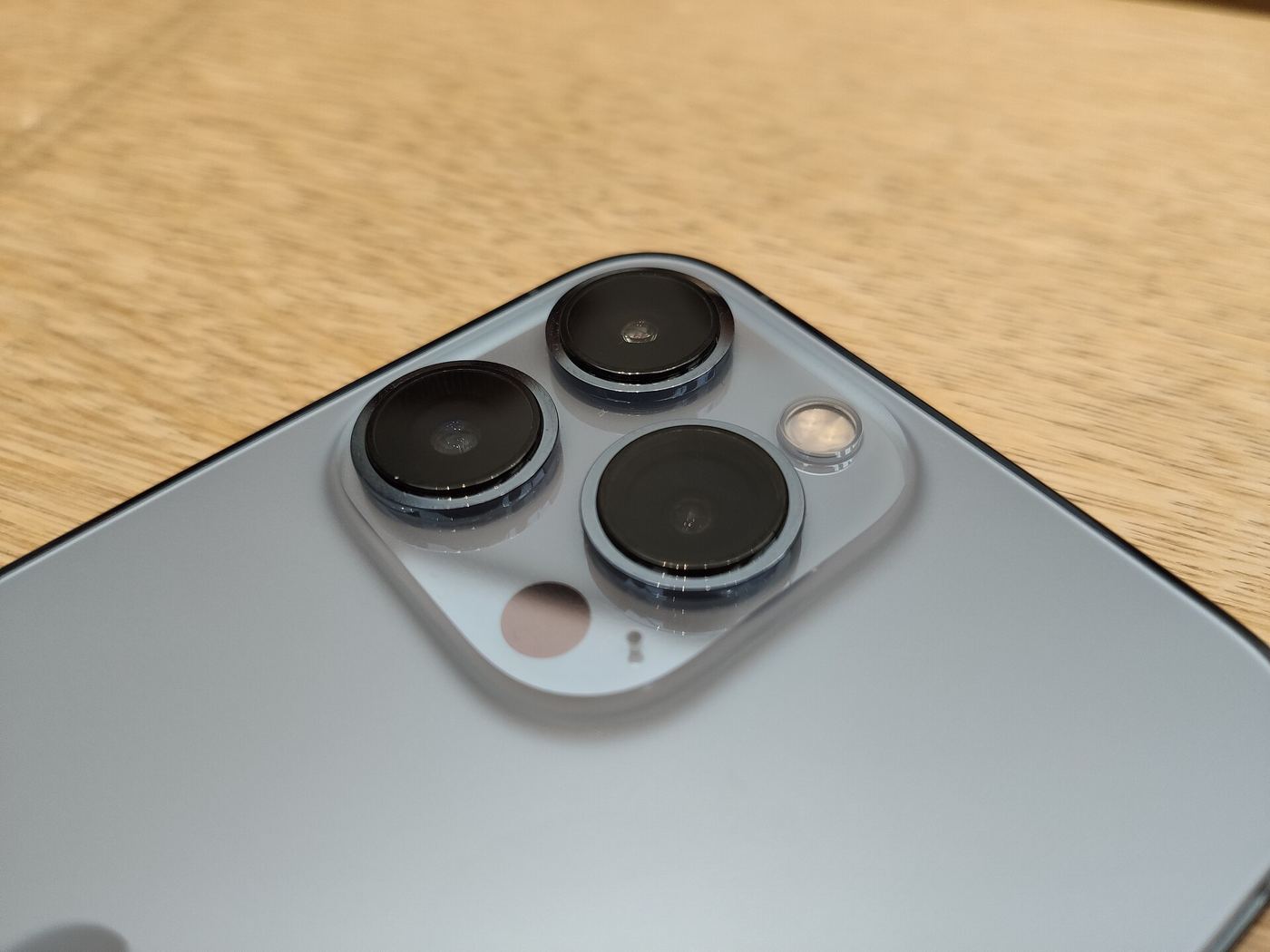
Honor has launched a phone with a camera that moves on its own, a device it calls the Honor Robot Phone, in China on 23 November 2026.
Honor has launched a phone with a camera that moves on its own, a device it calls the Honor Robot Phone, in China on 23 November 2026. The phone carries a 200-megapixel gimbal camera attached to its back, a stabilised camera that can pan and tilt to follow a subject, a trick previously seen only on dedicated filming equipment. The flagship device has a 6.31-inch OLED display, runs on Qualcomm’s Snapdragon 8 Elite Gen 5 chipset, and comes with 16 gigabytes of memory and one terabyte of storage. It packs a 7,060 milliamp-hour battery and supports 120-watt wired charging. The phone is Honor’s boldest attempt yet to stand out in a crowded flagship market.
The launch matters because smartphone makers are running out of ways to differentiate their devices, and a moving camera is a genuinely new idea. A gimbal camera could keep a subject in frame during video calls, track a child playing, or steady footage while walking, tasks that fixed phone cameras handle poorly. The phone’s price and availability outside China have not been confirmed, so it is unclear whether the idea will reach a global audience. Rivals will be watching sales closely, since a successful gimmick can quickly become an industry standard. Honor is betting that a camera that moves is the feature that makes people look twice. Reporting and analysis from sources such as IEEE Spectrum track the same developments, and specialists following the Honor Robot Phone gimbal camera say the direction is now consistent across independent lines of evidence.
Adoption of the Honor Robot Phone gimbal camera follows a familiar pattern with an unfamiliar speed. Early users tolerate rough edges in exchange for advantage, mainstream users arrive when the tool disappears into existing workflows, and the market consolidates around whoever made that transition feel effortless. Vendors are racing less on raw performance now than on integration, support and trust.
The realistic forecast for the Honor Robot Phone gimbal camera is steady integration rather than sudden replacement: embedded in products people already use, improving in increments, and regulated in proportion to its reach. The companies and institutions that plan on that basis, training staff and redesigning processes instead of chasing launches, are the ones the adoption data tends to vindicate. You can follow related developments in our coverage of technology.
It is also worth remembering how quickly the picture in this area has changed before. Positions that looked settled a few years ago have been revised as new data arrived, and the same humility is appropriate now. The strongest coverage of this subject, and the most useful advice, tends to come from sources that update their views openly when the facts move, rather than defending an earlier position long after it has stopped fitting the evidence available.