Physical Address
304 North Cardinal St.
Dorchester Center, MA 02124
Physical Address
304 North Cardinal St.
Dorchester Center, MA 02124
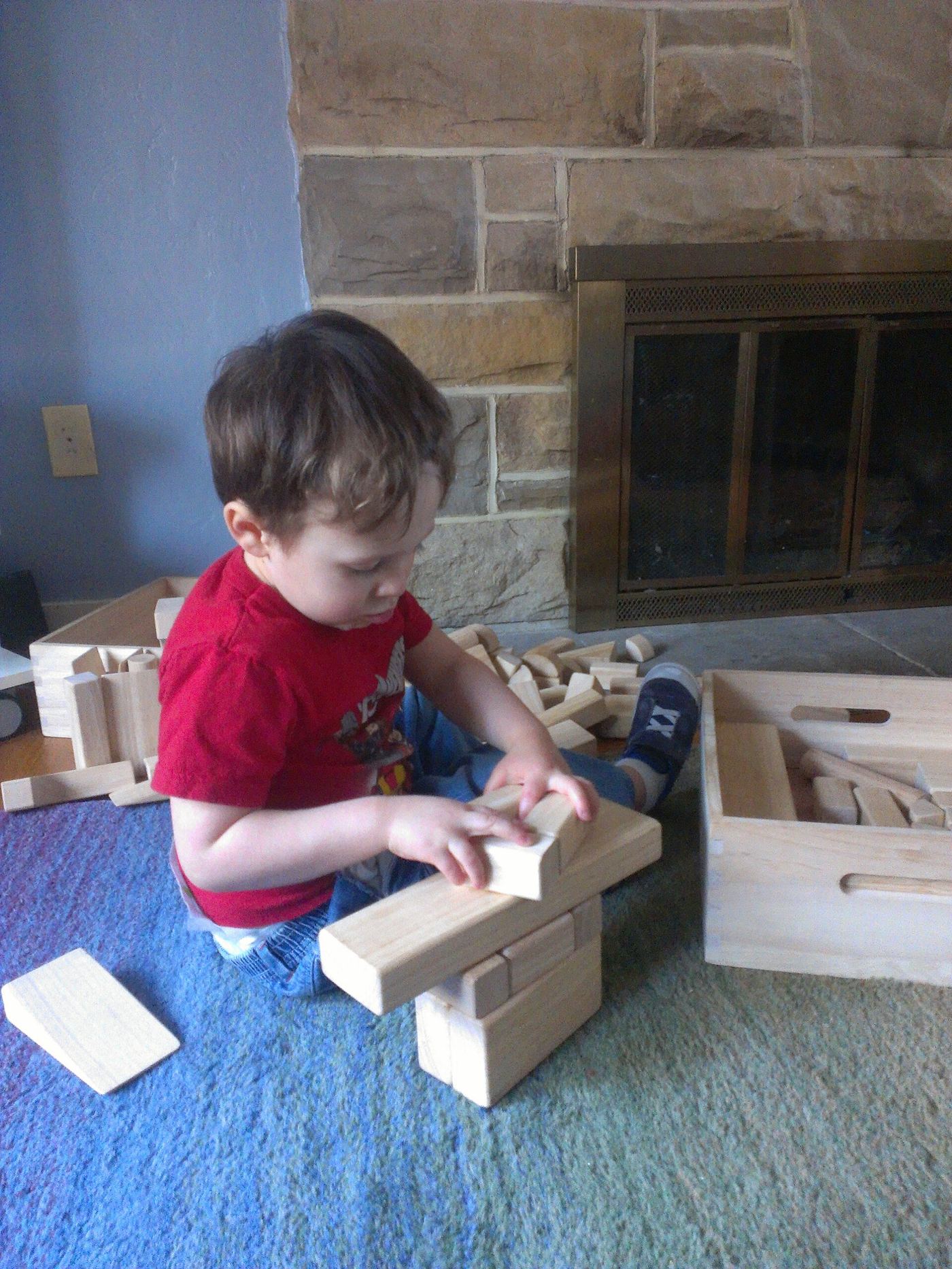
Jean Piaget, a Swiss psychologist, proposed that children do not simply know less than adults but think in fundamentally different ways at.
Jean Piaget, a Swiss psychologist, proposed that children do not simply know less than adults but think in fundamentally different ways at different ages. He described four stages of cognitive development, based on decades of observing children, including his own. In the sensorimotor stage, from birth to about two, infants learn through their senses and actions and gradually grasp object permanence, that things exist when out of sight. In the preoperational stage, from about two to seven, children use language and symbols but remain egocentric and struggle with logic. In the concrete operational stage, from about seven to eleven, they can think logically about real objects, understanding conservation, that pouring water into a taller glass does not change its amount. Piaget, who lived from 1896 to 1980, developed his theory through careful observation and interviews, asking children to explain their reasoning rather than simply testing them.
The final stage, formal operations, begins from about eleven, when young people can reason about abstract ideas, test hypotheses and think about possibilities that do not exist. Piaget set out his ideas in books including The Language and Thought of the Child, published in 1923, and they transformed education, encouraging teachers to match lessons to a child’s stage rather than treating young minds as empty vessels. Later research has shown that children can do more, earlier, than Piaget believed, and that the stages are less rigid than he suggested. Even so, his core insight endures: children’s thinking develops in a sequence, and understanding that sequence is essential for anyone who teaches or raises them. His work also introduced the ideas of assimilation, fitting new experience into existing understanding, and accommodation, changing that understanding when the experience does not fit. Reporting and analysis from sources such as Nature Human Behaviour track the same developments, and specialists following Piaget’s stages of cognitive development say the direction is now consistent across independent lines of evidence.
The wider context is a discipline rebuilding confidence through replication and pre-registration, and findings on Piaget’s stages of cognitive development are being reported with their effect sizes and limits attached. That honesty can make results sound smaller than the headlines of a decade ago, but the effects that survive are the ones practitioners can responsibly build on.
What happens next in research on Piaget’s stages of cognitive development is a turn toward real-world trials: longer, larger and conducted in the schools, workplaces and clinics where the findings are meant to apply. Psychologists are also studying individual differences more seriously, because average effects conceal the people for whom an approach works powerfully and those it leaves cold. Both shifts make the science slower and more useful. You can follow related developments in our coverage of psychology.
None of this will be settled by a single announcement, study or product launch. The pattern to watch is accumulation: independent confirmations, honest reporting of failures and steady improvement in the underlying numbers. Readers who follow those signals, rather than the loudest claim of the week, will understand this subject better than most of the commentary surrounding it suggests is possible.