Physical Address
304 North Cardinal St.
Dorchester Center, MA 02124
Physical Address
304 North Cardinal St.
Dorchester Center, MA 02124
Smart home gadgets promise convenience, but they also sip electricity around the clock, and until recently buyers had almost no way to compare how.
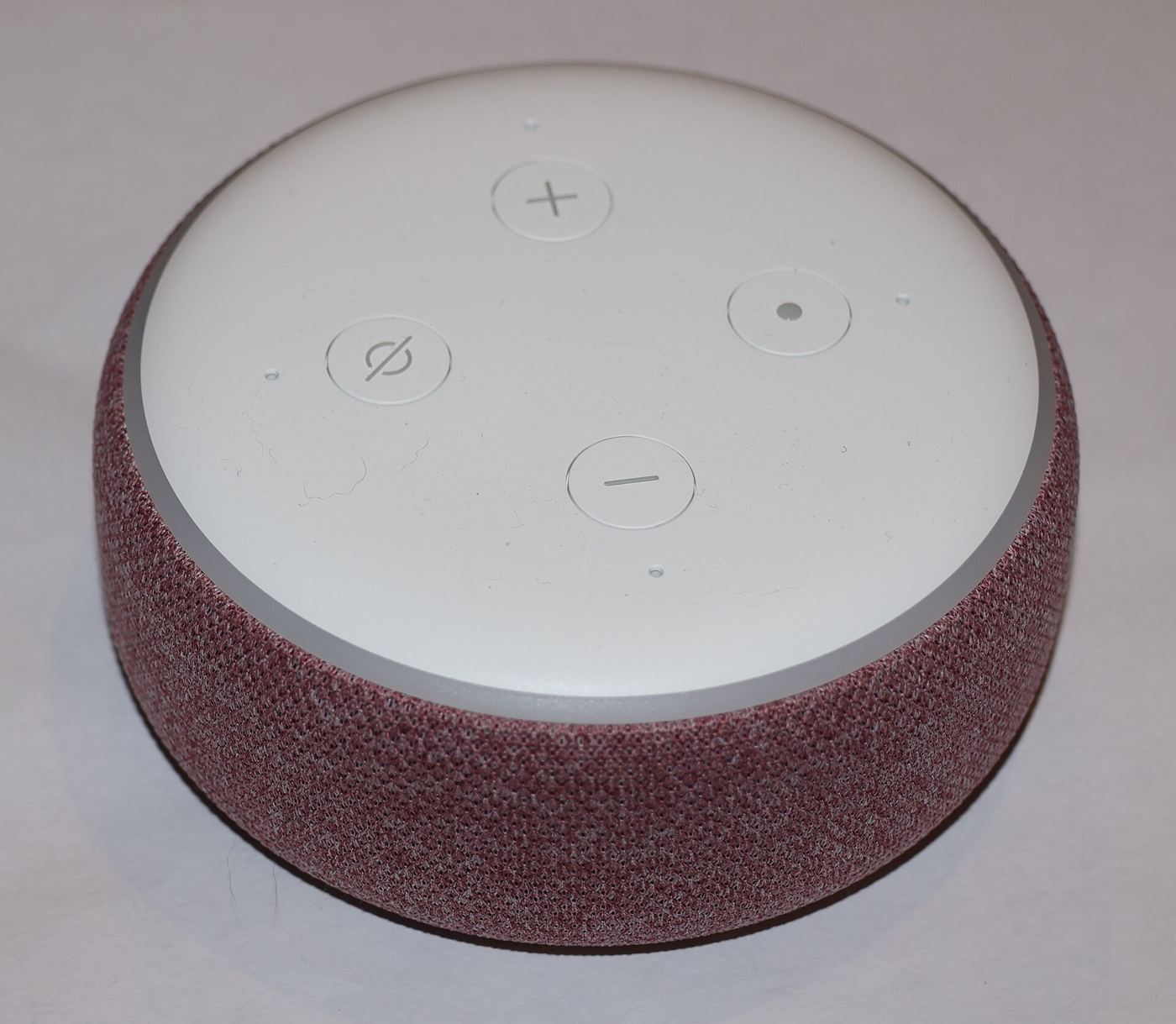
Smart home gadgets promise convenience, but they also sip electricity around the clock, and until recently buyers had almost no way to compare how much each device really costs to run. A new energy scoring scheme for connected home products aims to fix that blind spot. Under the system, thermostats, cameras, speakers, plugs and lighting hubs are tested under standard conditions and rated both for their active power use and, just as importantly, for the standby drain that continues while a household sleeps. The scores appear in a shared app format as well as on packaging, so a shopper can see at a glance that one video doorbell uses three times as much standby power as a rival, or that a certain smart plug actually saves energy by reliably switching off the appliances attached to it. Manufacturers taking part say the testing has already pushed quiet design changes, such as more efficient power supplies and smarter sleep modes, because no brand enjoys sitting at the bottom of a public league table. Consumer groups, which campaigned for the ratings, argue the total stakes are larger than any single gadget suggests.
The arithmetic behind their campaign is straightforward: tens of millions of homes each running a dozen always-on devices can add up to the output of entire power stations, most of it wasted on equipment doing nothing useful at that moment. Energy scores also reward products that help households save elsewhere, so a thermostat that demonstrably trims heating bills can earn credit that a simple plug cannot, provided its claims survive independent testing. Retailers trialling the labels report that customers use them the way they use efficiency ratings on washing machines, as a tiebreaker between similarly priced products, which is exactly the market pressure the scheme was designed to create. Challenges remain, including keeping tests honest as devices receive software updates that can change their power behaviour, sometimes for the better and occasionally for the worse. Regulators therefore plan periodic retesting and the power to withdraw a rating that no longer matches reality. Privacy advocates add that scoring should cover energy only, not become a back door for collecting household data. Reporting and analysis from sources such as IEEE Spectrum track the same developments, and specialists following the smart home energy scores say the direction is now consistent across independent lines of evidence.
Adoption of the smart home energy scores follows a familiar pattern with an unfamiliar speed. Early users tolerate rough edges in exchange for advantage, mainstream users arrive when the tool disappears into existing workflows, and the market consolidates around whoever made that transition feel effortless. Vendors are racing less on raw performance now than on integration, support and trust.
The realistic forecast for the smart home energy scores is steady integration rather than sudden replacement: embedded in products people already use, improving in increments, and regulated in proportion to its reach. The companies and institutions that plan on that basis, training staff and redesigning processes instead of chasing launches, are the ones the adoption data tends to vindicate. You can follow related developments in our coverage of technology.
It is also worth remembering how quickly the picture in this area has changed before. Positions that looked settled a few years ago have been revised as new data arrived, and the same humility is appropriate now. The strongest coverage of this subject, and the most useful advice, tends to come from sources that update their views openly when the facts move, rather than defending an earlier position long after it has stopped fitting the evidence available.