Physical Address
304 North Cardinal St.
Dorchester Center, MA 02124
Physical Address
304 North Cardinal St.
Dorchester Center, MA 02124
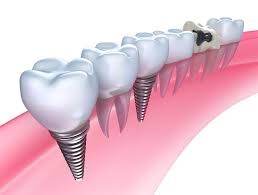
Dental implants are one of the most reliable replacements for missing teeth. They provide a reliable long-term replacement for dentures and bridges while restoring function and aesthetics. When seeking education for tooth replacement options, it can be critical to understand what dental implant treatment is and what needs to be explored before making a choice.
The first step to optimal treatment is knowledge. Patients educating themselves are also best prepared for the journey, which adds confidence to their decisions.
How Dental Implants Work
Teeth implants are basically designed to replace the root of a missing tooth. The titanium implant is inserted into the jawbone, and it slowly fuses with the bone over time. After healing is finished, a laboratory-produced crown, bridge, or denture can be fixed to the implant.
This process yields a new tooth that appears, feels and performs similarly to a normal tooth. Implants are actually anchored in the bone of the jaw, which means that long-term wear during common activities like eating/speaking has a firm hold.
Individualisation Of Treatment Plans
One of the foremost things that patients must be aware of is the personalised nature of dental implant treatment. Parameters like missing teeth, bone density, gum health and oral hygiene, etc., can affect the treatment method you follow.
Depending on the patient, some may only need a single implant, while others will require multiple implants or even a full-arch restoration. In some cases, other procedures like bone grafting will be recommended to form a strong foundation for successful implant placement.
Comprehensive evaluation clarifies an evidence-based treatment plan that works best for the individual.
More Than Just Teeth: Why Your Gums And Bone Matter
The health of the gums and jawbone is what affects the success of a dental implant treatment. Implant stability depends on support provided by surrounding bone, which is why sufficient bone volume matters.
In addition, patients who have gum disease or acute bone loss might need treatment before we can proceed with the implant. These issues may be mitigated by addressing them early, allowing the implant to benefit from an optimal environment conducive to long-term success.
Maintaining proper dental hygiene during is also a key factor for implant health after placement as well.
Treatment Requires Time And Patience
Dental implant treatment is not a one-visit procedure like some other restorative treatments. The implant must bond with the jawbone; this is why the healing process is an important component of treatment.
It could take a few months for some people from their first visit until the final restoration is placed, but this is very individual. Though this may take a long time, it leads to the stability and durability that implants are famous for.
This understanding of the commitment before treatment helps in managing expectations.
Learning About Available Options
Also, many people want to find out about Sydney Dental implants before they proceed with the treatment and look for such solutions. If we consider the latest and modernised versions of implant dentistry, which is based on an individuality in concerns regarding both clinical situations as well as patient goals, it offers a variety of options.
While some patients want a replacement for one tooth that has fallen out, others may have several missing teeth or not even a full smile. An experienced dentist can help start the discussion regarding these possibilities to aid their patients in comprehending which route may be most fitting for their needs.
Well-informed patients have an easier time making confident treatment decisions.
Conclusion
It has numerous advantages and features for patients who are looking forward to a permanent solution to their missing tooth. But to make a sound decision, you will have to understand the treatment process, recovery period, oral health guidelines, as well as post-surgery responsibilities. Patients may gain independence that educates them on the myriad ways they can learn about available options and discuss goals with qualified professionals, so they engage in a proposed treatment plan that helps protect their teeth while establishing a greater quality of life.