Physical Address
304 North Cardinal St.
Dorchester Center, MA 02124
Physical Address
304 North Cardinal St.
Dorchester Center, MA 02124
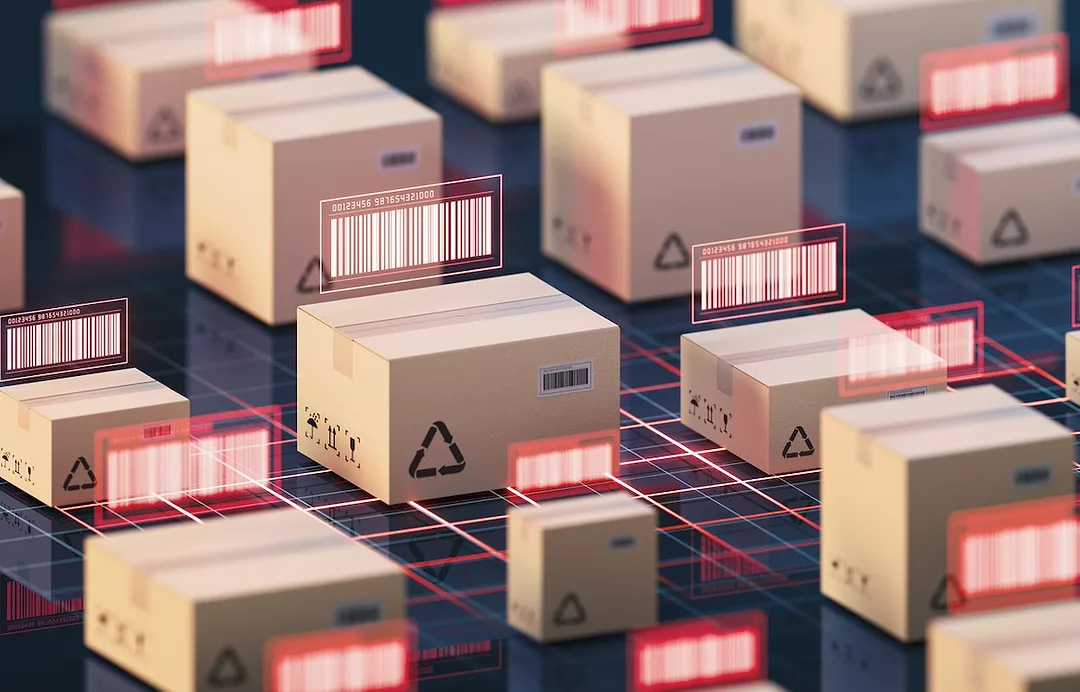
The modern e-commerce landscape is defined by the customer’s experience at the checkout page. While digital marketing and product quality are essential for driving traffic, the shipping phase is where the relationship between the brand and the consumer is either solidified or broken. As we navigate through 2026, the expectations for transparency, speed, and accuracy have reached an all-time high. Consumers are no longer satisfied with vague delivery estimates or “flat-rate” surprises; they demand a shipping experience that feels personalized and reliable. For Canadian merchants, this challenge is intensified by the country’s vast geography and the complexity of cross-border logistics. To succeed, businesses must move beyond basic shipping settings and embrace sophisticated solutions that turn logistics into a competitive advantage.
A significant portion of abandoned shopping carts can be traced back to shipping-related issues. Whether it is an unexpectedly high cost, a lack of preferred delivery methods, or the absence of a clear delivery date, these friction points drive customers away at the most critical moment. Accuracy at the checkout is not just about calculating a price; it is about providing the user with a comprehensive view of the commitment the brand is making. This includes displaying real-time rates that reflect the actual weight and dimensions of the package, rather than relying on broad estimates that often result in either lost margins for the merchant or overcharging the customer.
Furthermore, the modern shopper expects to see a variety of methods. Some may prioritize cost and are willing to wait a few extra days, while others require expedited service for urgent needs. By offering a tiered selection of shipping methods, merchants empower the customer to choose the level of service that fits their specific situation. This transparency builds trust and significantly improves the overall conversion rate of the online store.
For business owners utilizing the WordPress ecosystem, integrating the national carrier is a fundamental step toward domestic success. Canada Post remains the most accessible and widely used carrier in the region, offering a robust network that reaches every residential address, including those in remote northern territories. However, managing the complexities of this integration within a standard store setup can be daunting. The basic configurations often fail to account for real-time dimensional packaging or specific service surcharges, leading to discrepancies between the quoted rate and the actual cost at the post office.
The solution lies in a more sophisticated integration. By utilizing a high-performance woocommerce canada post connection, merchants can automate the calculation process entirely. This ensures that the rates displayed to the customer are fetched directly from the carrier’s API based on the store’s specific contract rates. This level of automation reduces manual errors, protects profit margins, and provides the customer with the most accurate pricing possible. When combined with features like automated label printing and tracking updates, the entire logistical workflow becomes a seamless part of the store’s operations.
One of the most common challenges in e-commerce shipping is the “Dimensional Weight” (DIM) calculation. Carriers do not just bill based on how much a package weighs; they also consider the amount of space it occupies in their vehicles. A large, lightweight box can be more expensive to ship than a small, heavy one. Many standard e-commerce platforms struggle to calculate this correctly at the checkout, often defaulting to simple weight-based rules.
To improve the checkout experience, merchants should implement “Smart Packaging” algorithms. These tools analyze the dimensions of every item in the cart and determine the most efficient box size for the entire order. By calculating the shipping rate based on the optimized box dimensions, merchants can avoid the “surprises” that occur when a shipment is billed at a higher DIM rate than expected. This precision is essential for maintaining healthy margins, especially for stores that sell products of varying shapes and sizes.
In 2026, the question “When will I get my package?” is just as important as “How much does it cost?” Providing accurate delivery dates at the checkout is one of the most effective ways to increase consumer confidence. This goes beyond a simple “3-5 business days” estimate. Advanced shipping solutions now allow merchants to display a specific date—or even a delivery window—by accounting for order processing time, carrier transit times, and even public holidays.
Displaying these dates directly in the shipping selection menu allows customers to make informed decisions. It transforms the shipping selection from a cost-focused choice to a value-focused one. For example, a customer might be willing to pay $5 more if they can see a guaranteed delivery date before a weekend or a holiday. This level of detail removes the anxiety associated with online shopping and provides a professional experience that mirrors that of major global marketplaces.
For Canadian merchants looking to sell internationally—or for US merchants shipping into Canada—the issue of duties and taxes is a major hurdle. There is nothing more damaging to a brand’s reputation than a customer receiving a “bill at the door” for unexpected customs fees. To truly optimize the international checkout experience, merchants must provide a “DDP” (Delivered Duty Paid) option.
This involves calculating the estimated duties and taxes in real-time during the checkout process and allowing the customer to prepay them. By displaying these costs transparently, the merchant ensures that there are no hidden fees upon delivery. This not only improves the customer experience but also reduces the likelihood of refused shipments, which can be incredibly costly for the merchant to process. Transparency in international logistics is the key to building a global brand that customers can rely on.
Relying on a single carrier can be a risky strategy. Weather events, labor disputes, or localized outages can quickly paralyze a store’s shipping operations. A modern e-commerce strategy involves a multi-carrier approach, where the system can automatically switch between providers based on cost, speed, or current network health.
By integrating multiple carriers, merchants can also “rate shop” in real-time. The system can compare the cost of a shipment across various providers and display the most economical or fastest option to the customer. This ensures that the merchant is always getting the best value for their shipping spend while providing the customer with a redundant and resilient delivery network. This flexibility is particularly important during peak seasons, such as the year-end holidays, when carrier capacities are stretched to their limits.
The future of e-commerce is not just about the products on the screen; it is about the physical journey those products take to the customer’s doorstep. Shipping should no longer be viewed as a back-end cost center, but as a front-end customer service tool. By investing in accuracy, transparency, and variety at the checkout, merchants can significantly reduce cart abandonment and foster long-term customer loyalty.
Implementing sophisticated solutions that handle real-time rates, dimensional packaging, and cross-border duties allows business owners to focus on what they do best: growing their brand. In a competitive market, the winner is often the one who makes the “last mile” the most predictable part of the journey. By prioritizing the shipping experience today, you are building the foundation for a resilient and profitable e-commerce business for years to come.


