Physical Address
304 North Cardinal St.
Dorchester Center, MA 02124
Physical Address
304 North Cardinal St.
Dorchester Center, MA 02124
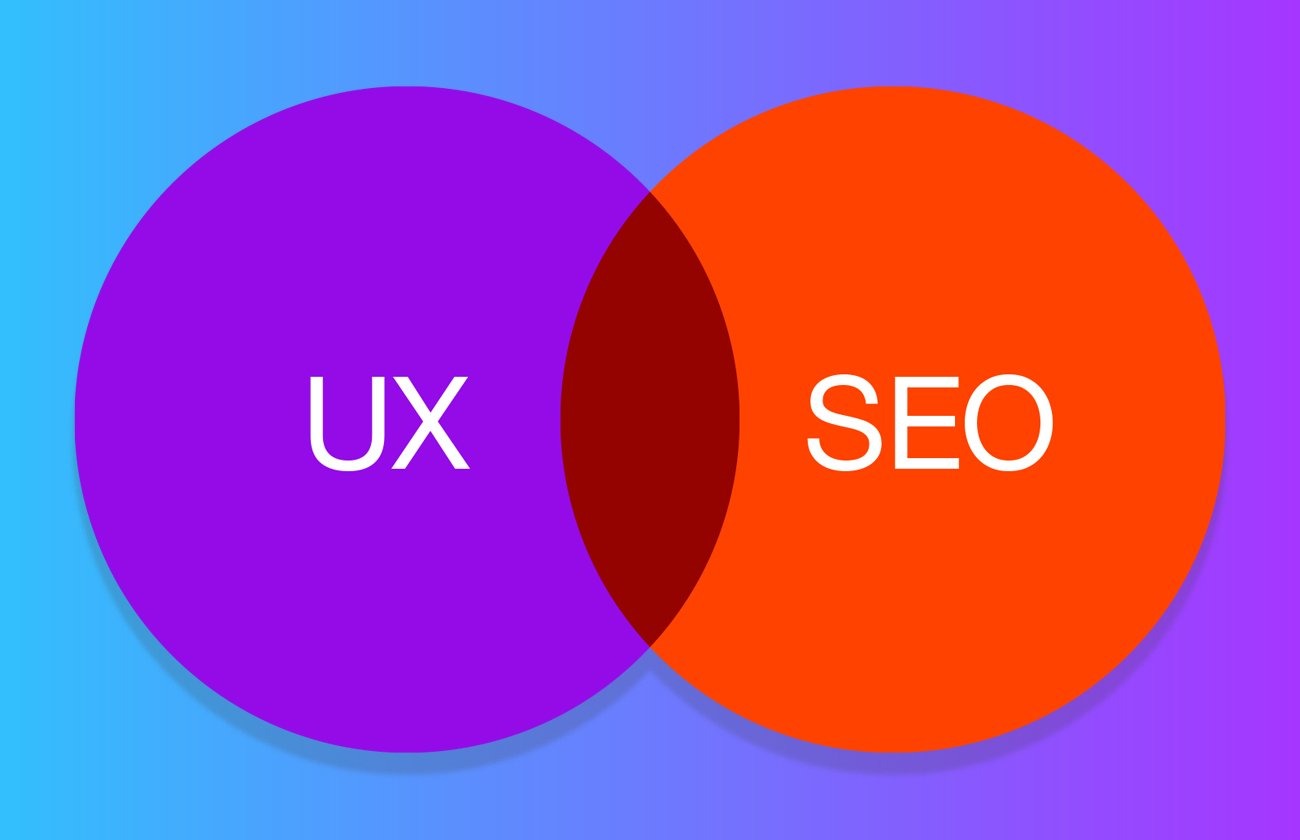
You ever stumbled upon a website that felt like navigating through a maze? You know, the kind where loading times rival dial-up internet and finding information is like searching for a needle in a haystack? Pretty frustrating, right? Well, it turns out that user experience (UX) isn’t just a convenience; it plays a massive role in how search engines rank sites. Let’s unwrap this fascinating connection. Spoiler alert: It’s more important than you might think!
The moment a user lands on a website, they form an opinion in mere seconds. Think about how quickly you decide whether to stay or leave. If a site looks outdated or is cluttered with ads, chances are you’re outta there faster than a cat on a hot tin roof. Search engines, primarily Google, gauge these user interactions and consider them when ranking sites. A high bounce rate can signal to Google that a website isn’t providing what users are looking for, which can lead to a dip in SEO rankings.
Imagine you’re waiting for a kettle to boil. If it takes ages, you might just settle for a cold drink. The same principle applies to websites. If your site takes too long to load, users will hit that back button quicker than you can say “search engine optimisation.” A fast-loading site not only enhances user experience but also ranks better. Google has made it clear: if your website is sluggish, it’s out of the running.
These days, it seems like everyone’s using their phone to browse the internet, whether they’re sitting on the train or lounging at home with a cuppa. If your website isn’t optimised for mobile devices, you can bet users will bounce right off. Mobile-friendliness has become a ranking factor, and to keep up with trends, your site needs to adapt. No one wants to pinch and zoom to read a simple article or navigate through a site that looks like a desktop version on a tiny screen.
Just like a good map leads you to your favourite café without any hiccups, a well-structured website navigation ensures users find what they’re after without breaking a sweat. Effective navigation includes clear categories, concise labels, and a logical flow. If users are left scratching their heads, they’ll likely abandon ship. Simple, intuitive navigation keeps users engaged, and that’s music to search engines’ ears when it comes to SEO.
Why do we even visit websites in the first place? For information, of course! If your content isn’t relevant or engaging, you won’t just lose users; they might even take to social media to vent about their experience. Eye-catching headlines, easily digestible info, and engaging visuals can keep users on the page longer. When users stick around, search engines notice, and that’s a good thing for your rankings.
No one likes to feel like they’re in a dodgy back alley when browsing a website. Users are more likely to engage with sites that look professional, secure, and trustworthy. Elements like SSL certificates (that little padlock in the address bar) and clear privacy policies contribute to building that trust. When users feel secure, they’re likely to stick around longer and even interact with your content. It’s a win-win for everyone!
Google loves data, and one of the key indicators of a great user experience is engagement metrics. Metrics like time spent on page, scroll depth, and interactions (like comments or shares) tell search engines how visitors are interacting with your site. The higher the engagement, the more likely it is you’ll rank well. So, consider creating engaging content, such as quizzes or polls, to encourage user interaction. You might be surprised what people enjoy!
Boosting user experience won’t just create happy visitors; it can significantly enhance your SEO efforts. It all ties into creating a user-friendly platform that answers the needs of your audience. A solid user experience fosters trust, builds loyalty, and results in happy visitors who might just come back for seconds. If you find yourself needing help achieving this balance, connecting with a reliable SEO agency might just be the ticket to mastering the ever-evolving world of SEO. Investing the effort to improve user experience is bound to pay off in search engine rankings and user satisfaction alike!
So there you have it—user experience isn’t simply a buzzword; it’s a critical aspect of SEO. Take these insights, apply them, and watch your website flourish in both user satisfaction and search engine visibility. Happy optimising!