Physical Address
304 North Cardinal St.
Dorchester Center, MA 02124
Physical Address
304 North Cardinal St.
Dorchester Center, MA 02124
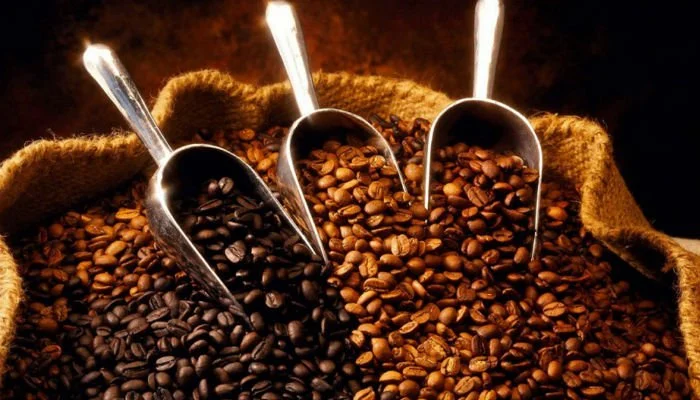
Specialty coffee represents a significant shift in the coffee industry, focusing on high-quality beans and artisanal brewing methods. The concept began in the 1970s, when coffee experts began to distinguish high-quality beans from the mass-produced, low-grade coffee that dominated the market. The term “specialty” refers to beans grown in ideal conditions and harvested with care, and this movement has since grown exponentially. Today, specialty coffee is more than just a drink; it’s a culture and a lifestyle. The appreciation for unique coffee flavors, origin stories, and craftsmanship is at the core of this coffee revolution.
The quality of specialty coffee begins with the bean. It all starts at the farm, where coffee plants thrive in specific altitudes, climates, and soils. Producers around the world focus on cultivating the finest beans, often in smaller, more sustainable farms. Specialty coffee growers invest in their crops by embracing organic farming techniques, ethical labor practices, and minimizing environmental impact. Once harvested, the beans go through meticulous processing methods like washed, natural, or honey, ensuring that every stage enhances the bean’s inherent flavors. Afterward, they are roasted to bring out their unique profiles, allowing the beans to express their full potential when brewed.
Roasting is a pivotal moment in the life of specialty coffee. The beans are roasted to specific temperatures and times to bring out their characteristic flavors, and each roast type—light, medium, or dark—will dramatically influence the flavor profile of the coffee. Specialty roasters are keenly aware of the nuances in temperature and time, often experimenting with different roast levels to find the optimal balance. Lighter roasts tend to emphasize fruity, floral notes, while medium and dark roasts bring out chocolatey, nutty, and smoky flavors. A skilled roaster can unlock the full potential of the coffee bean, giving it a unique flavor profile that distinguishes it from regular coffee.
Brewing specialty coffee is an art in itself. While some prefer the traditional drip method, others turn to more sophisticated methods like pour-over, AeroPress, siphon, or espresso. Each technique has its own unique impact on the coffee, offering a range of flavor experiences. For example, pour-over coffee allows for precision in water flow and extraction, resulting in a cleaner, brighter cup. Espresso, on the other hand, provides an intense and concentrated shot of coffee, ideal for lattes, cappuccinos, or other espresso-based drinks. With so many methods available, coffee enthusiasts experiment to find the perfect brew that highlights the distinctive flavors of each coffee variety.
Specialty coffee is not just about the end product; it’s also about the values behind it. Coffee drinkers are increasingly concerned with sustainability and the ethics of coffee production. Many specialty coffee companies focus on sourcing beans directly from farmers, ensuring fair trade practices and better compensation for growers. This transparency in the supply chain fosters a deeper connection between the coffee drinker and the farmer. Moreover, sustainability efforts extend to the environment, with many roasters emphasizing eco-friendly packaging, energy-efficient roasting equipment, and waste reduction practices. The specialty coffee community, therefore, emphasizes not only quality but also a shared responsibility for the environment and the people behind the beans.